
Located in the Northern Territory of Australia, Alice Springs is an appealing place that provides a glimpse into the cultural life of the Aboriginal people. This town in the Outback is a launch pad for a flurry of activities to experience the ever-living cultures of Australian natives skimming the surface of Aboriginal spirituality towards land-based activities.
Standing in this ancient desert town mean looking at the ancestors of its current Aboriginal inhabitants in art, sacred places and sites, and breathtaking landscape features. Read through this article and learn that Alice springs is one place one comes to learn about the aboriginal culture and one does not stop there but even participates in the different spiritual and artistic pieces.
Alice Springs and its Cultural Significance

Despite the fact that Alice Springs is a town located in the geographical centre of the Northern Territory, its importance transcends the boundaries of a physical location. It is Australia’s rich – culture, contemporary and past history, and its traditional practices. This arid environment is also crisscrossed by ancient and sacred mountains which bear both natural and cultural significance. The regional Indigenous populace, who are the custodians of these lands, have a very rich exposure to their environment as evidenced by many of the cultural practices that are still practiced up to date. These include bush tucker knowledge, the gathering and preparation of native foods, and passing on culture stories.
A defining characteristic of Alice Springs that many visitors find appealing is that it is a cultural hub where Indigenous culture is appreciated and preserved. Guests can engage in a number of activities that provide information about traditional lifestyles, such as going to the art centres that exhibit artworks from the Aboriginal people and going on cultural walks that explain the spiritual and historical connection of the land. There are places like Alice Springs Desert Park where visitors are taken through the life of its surrounding vegetation, animals and even the region’s rock paintings and how they relate to Aboriginal culture.
Key Cultural Sites and Attractions
Alice Springs Desert Park: The park offers the visitors a good first encounter with the local Indigenous culture through a variety of activities such as display, order, participation and performances. It will also allow the tourists to appreciate the various landscapes that define this region and further understand the significance of their Aboriginal culture to the region.
Art Galleries and Cultural Centres: The Araluen Arts Centre and Todd Mall are some of the art galleries that engage Aboriginal art visitors and educate them. Different types of art, including contemporary & Aboriginal art and rock paintings, are performed in these places.
Art and Culture of Aboriginals
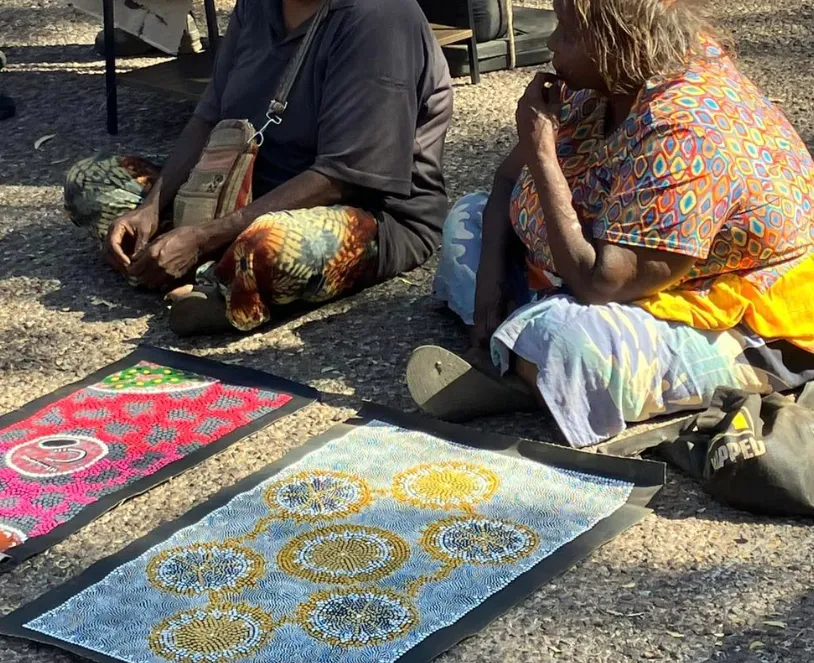
Aboriginal art is a vital expression of cultural identity and spirituality. Traditional Aboriginal artwork, including dot paintings and rock art, conveys stories of the Dreamtime and the connection between the land and its people. The very essence of Aboriginal art is not only a history of the people but also a means through which knowledge and practices are transmitted from generation to generation. Local Aboriginal artists have gravitated towards developing work that reflects their ancestry as well as the lifestyles of contemporary society, a practice that is very appealing to both local and foreign tourists.
People were attempting to convey the meaning of these art forms and the system of tribal education aimed at reestablishing relations with the deceased ancestors. The practice of Aboriginal art dates back to the spiritual and historical undertones of the Aboriginal way of living and remains important as a vehicle for passing down history and tradition to future generations.
Engaging with Aboriginal Culture In Alice Springs
If one wishes to gain more knowledge and appreciation of Aboriginal culture, one may consider going to Alice Springs, as it has a range of experiences that are suitable for all interests. Visitors can learn about Australian Indigenous cultures respectfully by participating in cultural tours, taking part in outdoor activities and joining community activities. Activities like riding a camel or flying over the city, or even touring the amazing gorges help appreciate the region’s scenery and of such how it incorporates aboriginal culture.
Apart from this, people can also go on an Alice Springs to Uluru tour and visit Watarrka National Park, which is famous for their breathtaking views and cultural importance. Also within these parks are some of the iconic natural landmarks of Australia, the Ayers Rock or Uluru, and the Kata Tjuta (The Olgas) which are deeply revered by the aboriginal people of the area.
Challenges and Preservation Efforts

The preservation of the Aboriginal Heritage in Alice Springs is faced with great problems but there are active measures being put in place to shield and nurture this heritage. One of the fundamental challenges is the persistent problem of dispossession and land rights. For centuries of Australian colonization, Aboriginal people, the original inhabitants of the Alice Springs region, have been deprived of their historical lands as a result of urbanization. This has not only cut off their attachment towards the lands but also disoriented their cultural practices and knowledge that are inseparably linked to certain sacred features and places.
In addition, tourism as a factor positively contributing to the local economy and enhancing cultural awareness does have its own problems. Some of these sacred sites are, for example, Uluru and Kata Tjuta, which are found in and around Alice Springs and draw a large number of visitors every year. These places are sacred to Indigenous Australians and have great intrinsic resources owing to their location, but the overwhelming presence of visitors often leads to the destruction of these resources as well as the flouting of cultural norms. Getting people to appreciate why these areas are important and how they should conduct themselves is another major challenge; it is the reason why there is a need for communication between the Aboriginal communities, the Australian government, and the tourism sector.
Conclusion
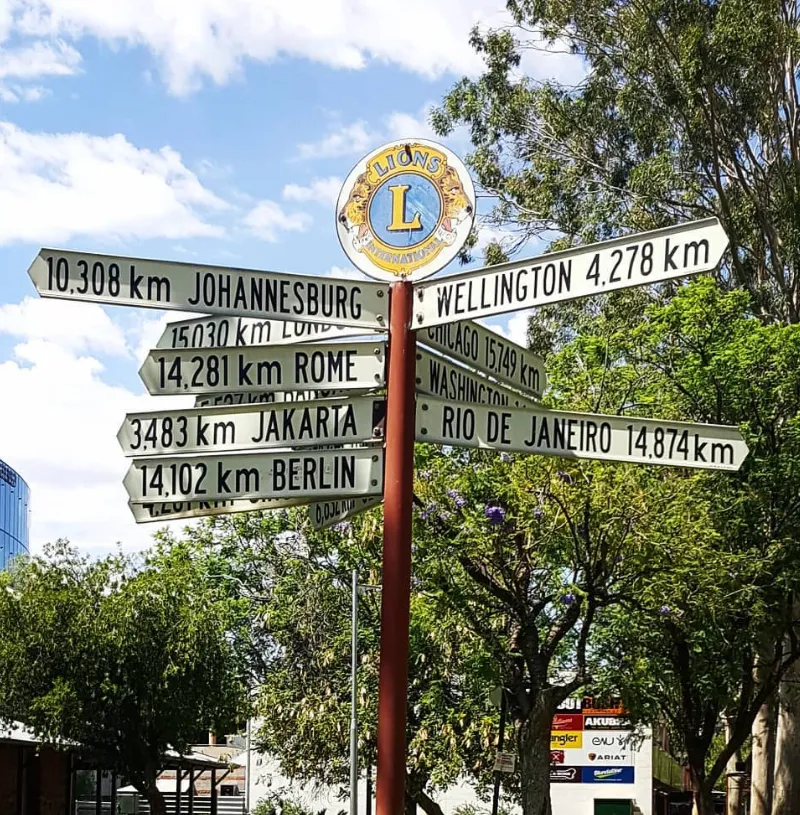
People of all ages with an interest in the culture of Indigenous Australians will find the place unique. From its stunning landscapes and sacred sites to its vibrant cultural scene and artistic traditions, the town serves as a gateway to a deeper understanding of Indigenous culture. The active participation of the native peoples as well as the visitors in these activities gives insight into the use and significance of this region in the history and religion of the people and deepens their understanding of the rich and changing heritage of the aboriginal people of Australia.
FAQs
What makes Alice Springs culturally significant?
Alice Springs is described as a centre of Aboriginal culture imbued with a strong sense of land, culture, and traditions.
How can I experience Aboriginal culture in Alice Springs?
You can access information by going to cultural centres and galleries, sacred sites, and or going on guided Alice Springs to Uluru tour of the people’s oral tradition.
What are some must-see cultural sites in Alice Springs?
Notable places consist of The Alice Springs Desert Park, The Todd Mall and the Uluru-Kata Tjuta National Park that is in proximity and has cultural and natural features.
What is bush tucker?
Bush tucker refers to native Australian food traditionally sourced and prepared by Aboriginal peoples, including plants, seeds, and wildlife.
Is it possible for me to go into an Aboriginal community in Alice Springs?
Of course, many organized tours provide an opportunity to interact with Aboriginal people and understand their cultures.