
Before grabbing the hose or reaching for any tools, ask yourself: Do you need to turn off solar panels before cleaning?
We’ve lost count of how many times we’ve turned up to a solar panel cleaning job and found the system still running while someone’s hosing it down. Or worse, they’ve already been scrubbing away with metal brushes like they’re cleaning a BBQ. Spoiler alert: that’s not just a dodgy move, it’s dangerous.
The short answer is yes — and we’ll explain why skipping this step could turn a basic rinse into a dangerous mistake.
Power Off First, Clean Second
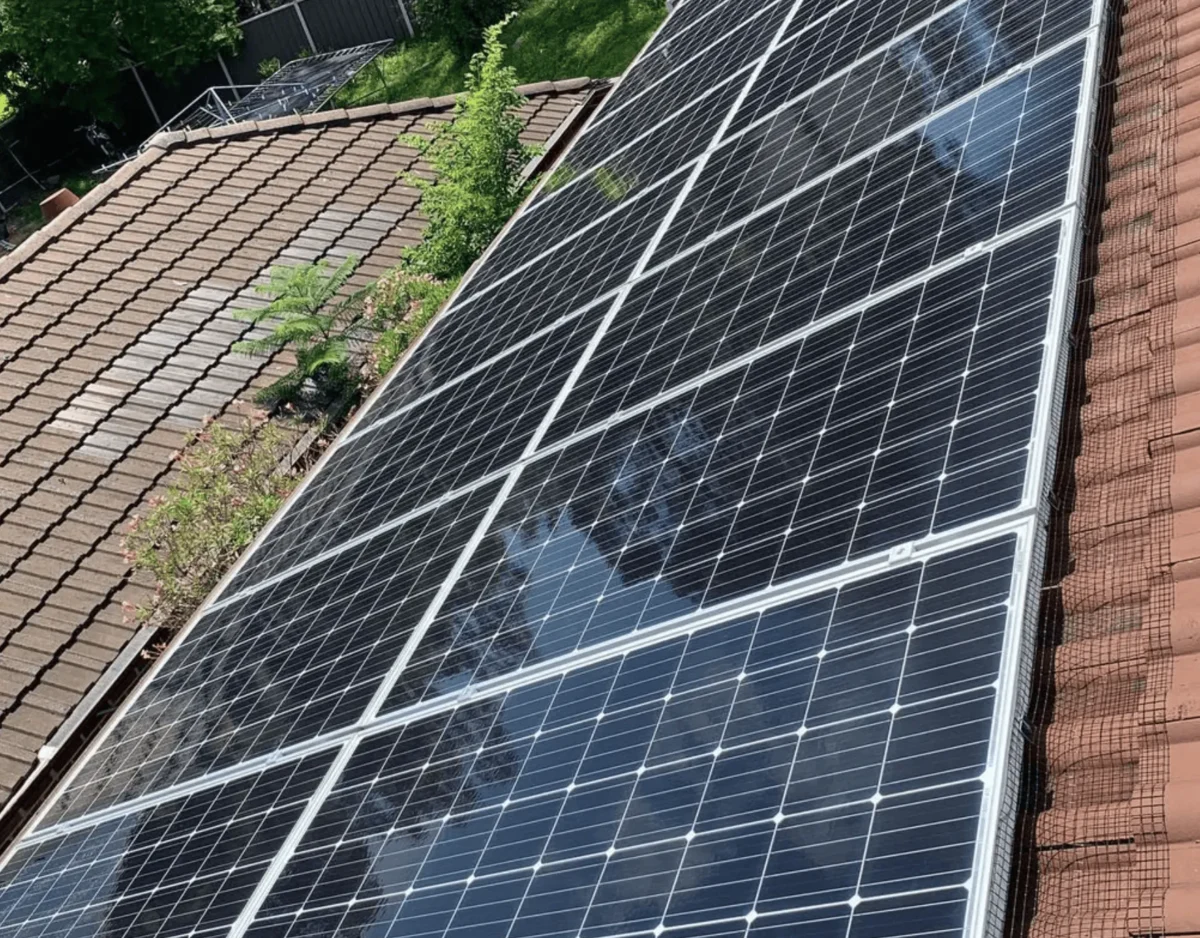
Solar panels generate electricity from sunlight — even on cloudy days. That means they’re always producing some voltage during daylight hours unless they’re isolated. Wet panels + active circuits = risk of short-circuits, electric shocks or fried inverters.
Even low levels of current can be dangerous if you’re spraying water or using conductive tools. Plus, water around live DC connections can arc, overheat and permanently damage the internal electronics. Good luck explaining that to your warranty provider.
Common risks of cleaning panels while live:
- Electric shock from exposed connections
- Short-circuiting and electrical arcing
- Voiding manufacturer warranties
- Damage to inverters or monitoring systems
- Accelerated wear from thermal stress
- Permanent damage to solar cells or electrical components
In short: just switch them off first.
Switching Off Solar the Right Way
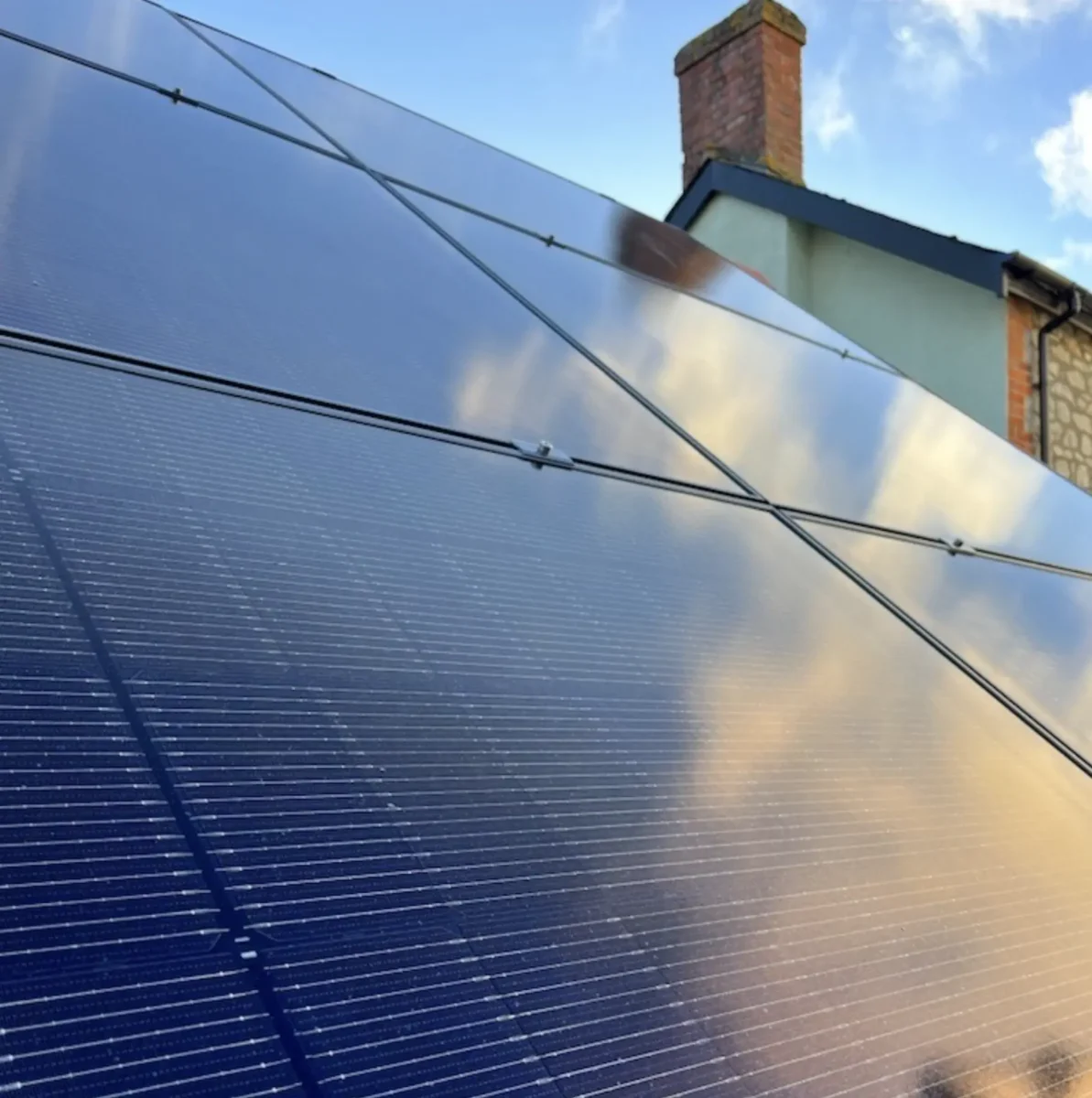
We’re not saying you need to call in an electrician every time. But you should follow the correct shutdown procedure, which is usually detailed on your inverter, instruction manual or switchboard. Here’s the general method that most Aussie systems follow.
Solar Panel Shutdown Checklist:
- Turn off the AC inverter switch — usually labelled “Solar Supply Main Switch” in your switchboard
- Turn off the DC isolator(s) — located next to or under your inverter
- Confirm shutdown — wait a few minutes and check if the inverter screen is off or displaying a shutdown status
Don’t rush it. Give the system time to fully discharge. If you’re unsure, refer to the user manual or consult a solar technician or retailer. And if you’re cleaning a commercial solar array, it’s non-negotiable — get a lock-out tag on it.
What Happens If You Don’t Turn Them Off?

Even if you get lucky and avoid a zap, cleaning live panels introduces long-term risks. The electrical components heat up faster when wet, which can lead to thermal cycling damage — cracks in solder joints and accelerated wear of internal wiring. That can eventually result in a drop in performance or persistent error messages from monitoring systems.
In plain English: it shortens your system’s life and costs you more down the line. The drop in solar panel efficiency over time from improper cleaning adds up — so does the hit to your return on investment and energy bills.
When Should You Clean Your Panels?
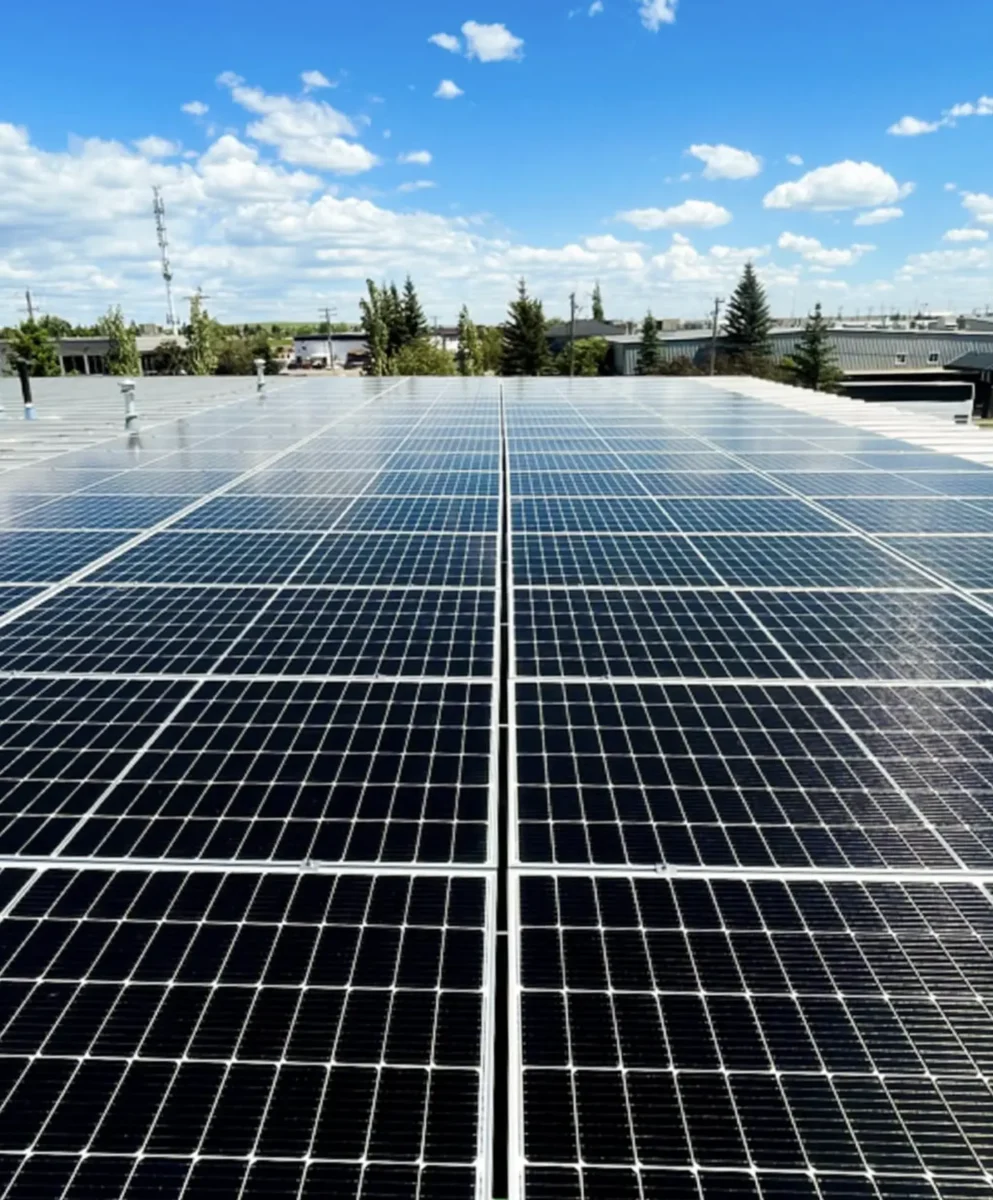
Most panels in Australia benefit from regular cleaning every 6 to 12 months — more often if you’re near:
- The coast (salt spray)
- Farmland (pollen, bird droppings, dust buildup)
- Urban rooftops (traffic soot, tree sap, bird poo)
- Areas with hard water or bore use (mineral stains, water spots)
- Regions with frequent dust storms or high bird populations
Best time to clean? Early morning or late afternoon. The panels are cooler, safer to touch, and less likely to dry streaky. Avoid cleaning on hot sunny days — water can flash-dry, leaving stubborn dirt and droplets.
Don’t Wreck Your System
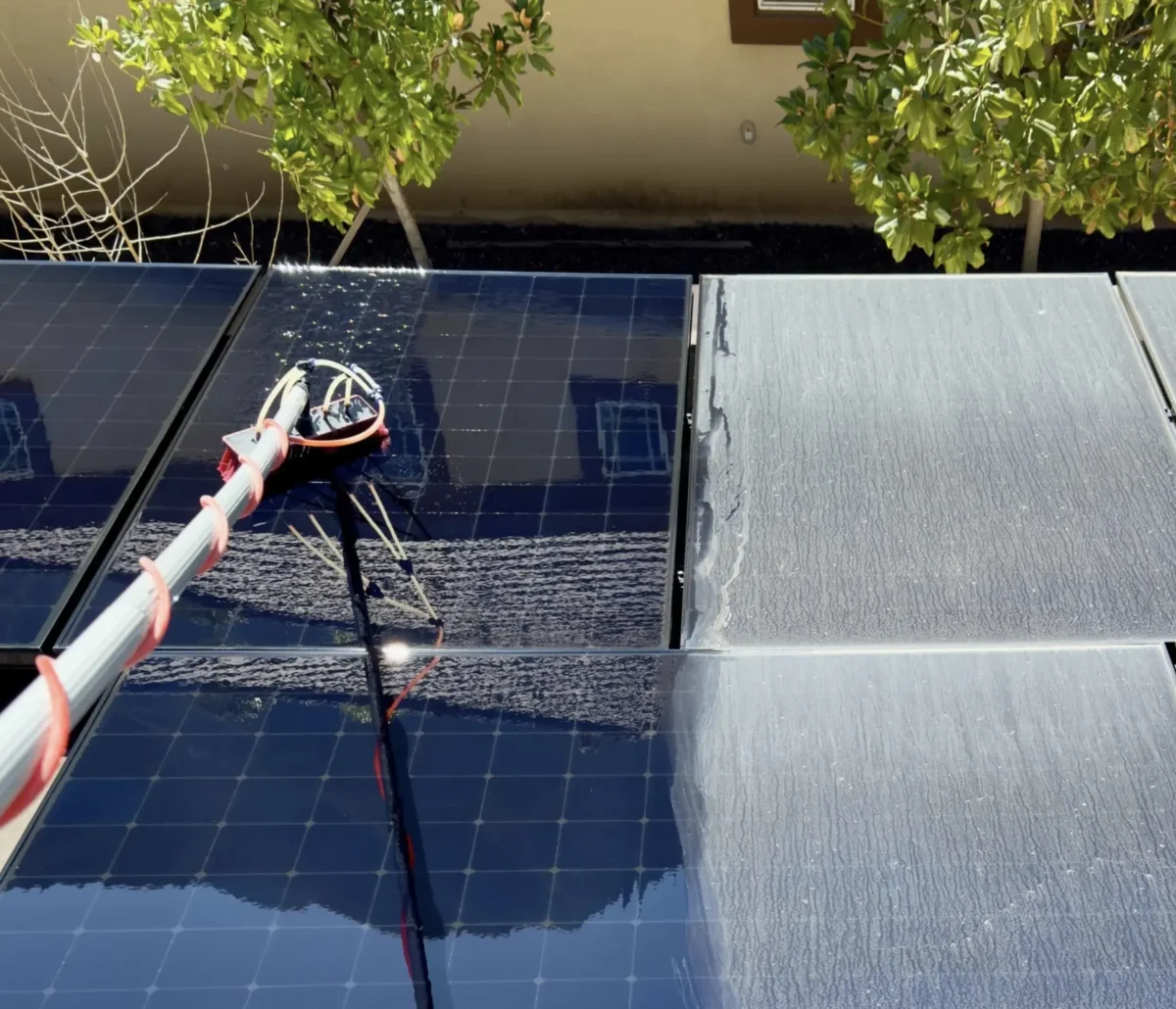
Here’s where most DIY solar panel cleaning jobs go wrong. People use abrasive brushes, harsh chemicals or high-pressure washers — all of which can scratch glass, strip coatings, or flood the junction boxes.
Our top tips:
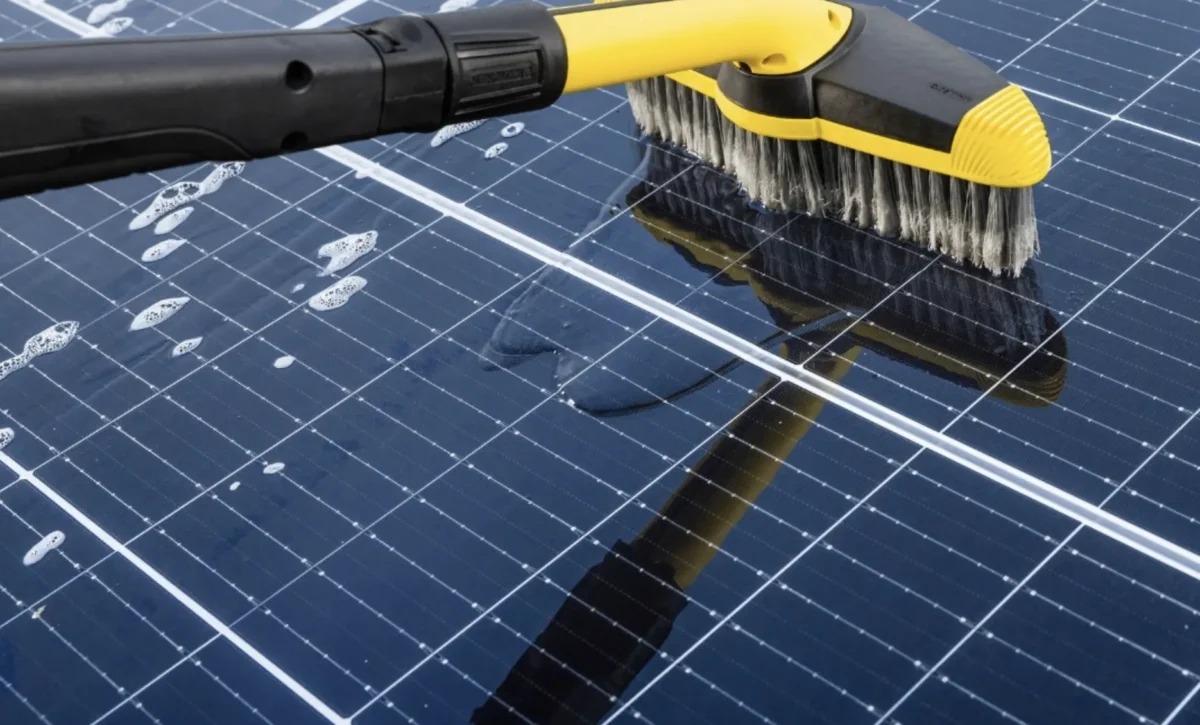
- Use a soft-bristled brush, soft sponge, or microfibre cloth
- Use clean water, ideally demineralised or distilled
- Avoid all soaps and chemicals (even biodegradable dish soap can leave residue)
- Use a squeegee or soft cloth to finish for streak-free results
- Use warm water and a gentle spray — never high-pressure water jets
- For flat or steep roofs, consider professional assistance with proper safety gear
Never:
- Use pressure washers or abrasive cleaners
- Use metal tools or steel wool
- Spray water near isolators, electrical panels, or inverter units
- Mix cleaning products or create chemical cleaners
If you must use soap, use mild soap only and rinse thoroughly to prevent residue. Better yet, use professional Solar panels cleaning in Melbourne for a proper clean with the right water quality, cleaner and tools.
Safety First
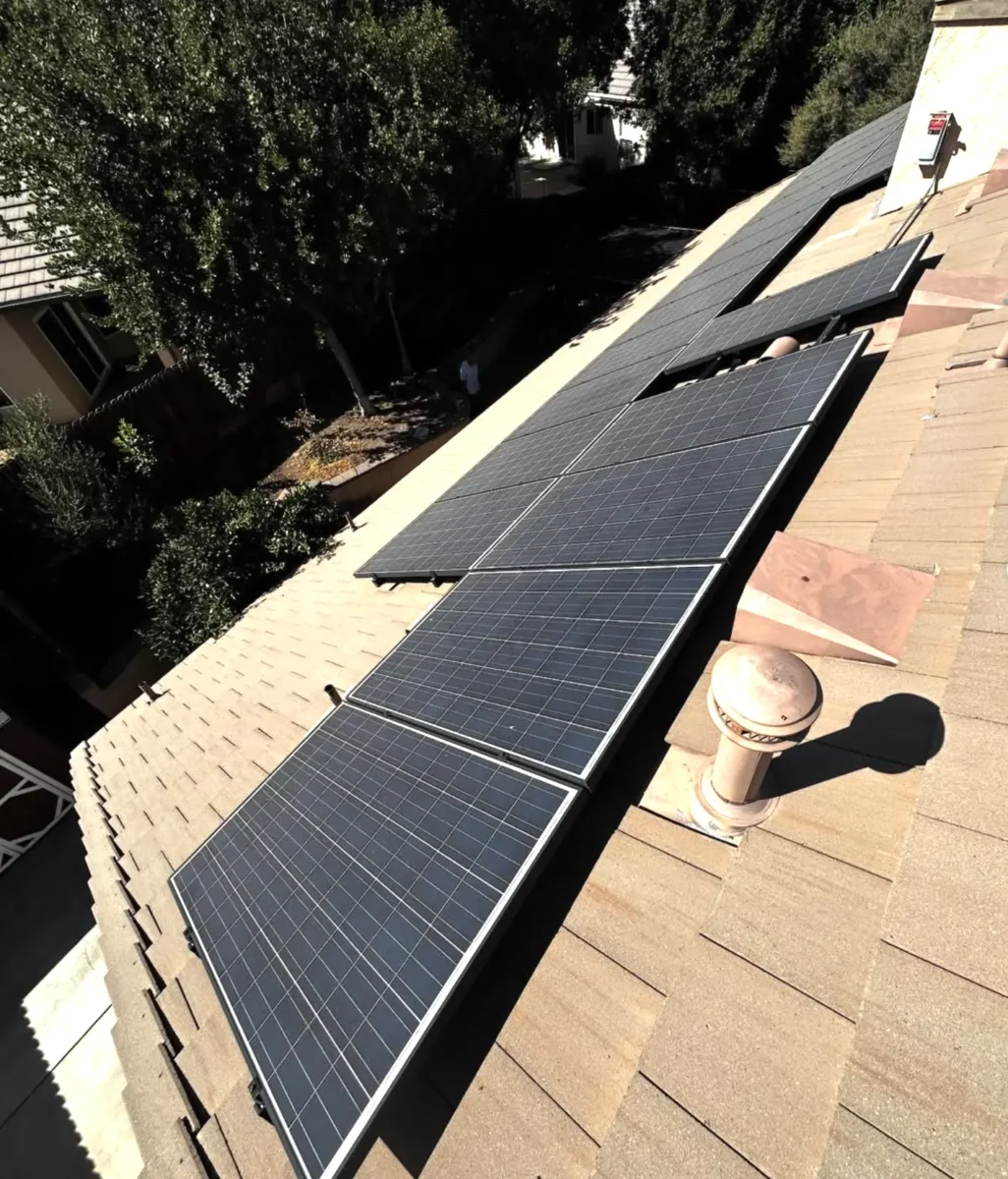
Use proper safety equipment and follow basic maintenance safety tips. On one-storey roofs, you might manage with a harness and pole system. But for steep or tricky roofs, a professional service with advanced water-fed pole systems and safety protocols is worth it.
We’ve worked with the Window Cleaning Melbourne Crew on more than a few tricky rooftops — they know their way around delicate surfaces and proper safety procedures.
FAQ
Can I clean panels while they’re still warm?
Yes, but avoid hot panels. Clean in the early morning or late afternoon to prevent thermal shock and soap streaking.
What happens if I get water in the inverter?
That’s a major issue. It can cause electrical short-circuiting, damage the battery storage component, and void your warranty.
Is it safe to use vinegar or dish soap?
Better not. Even mild or biodegradable soap can leave residue. Use clean water or ask a professional cleaner.
Can I just spray panels with a garden hose?
Yes, but only to remove loose dirt. For stubborn dirt or sticky residue like bird droppings or tree sap, you need a soft brush or professional cleaning solution.
How do I know if my panels need cleaning?
Watch for a drop in solar system efficiency on sunny days. Use your monitoring system or check for visible debris buildup or damage over time.