
Exploring the Sacred Wonders of Uluru: A Cultural Journey
Uluru (Ayers Rock) is in the heart of the Australian outback. It’s a big part of the Northern Territory because it shows us how beautiful and old this place was. This desert monolith is more than just a natural wonder – it’s a sacred site for the Aboriginals, reflecting their spirituality and culture over the many generations they have lived here. Take an educational trip around Uluru to learn more about it and the relationship between humans and ancient rock formations like this!
Contents
What Uluru means
It is not only a geological wonder but also a spiritual home for the Anangu people. Because they have regarded it as sacred for thousands of years, the stories about its creation are part of their culture and history. Indeed, these stories from creation times are passed down through generations, so they are an important part of Anangu’s understanding of the world and humans’ place in it. So come here with humility and an open mind, acknowledging that Aboriginal Australians’ connection to the land around Ayers Rock (as we call Uluru) is deep and complex, not just symbolic but practical, and has sustained life for thousands of years.
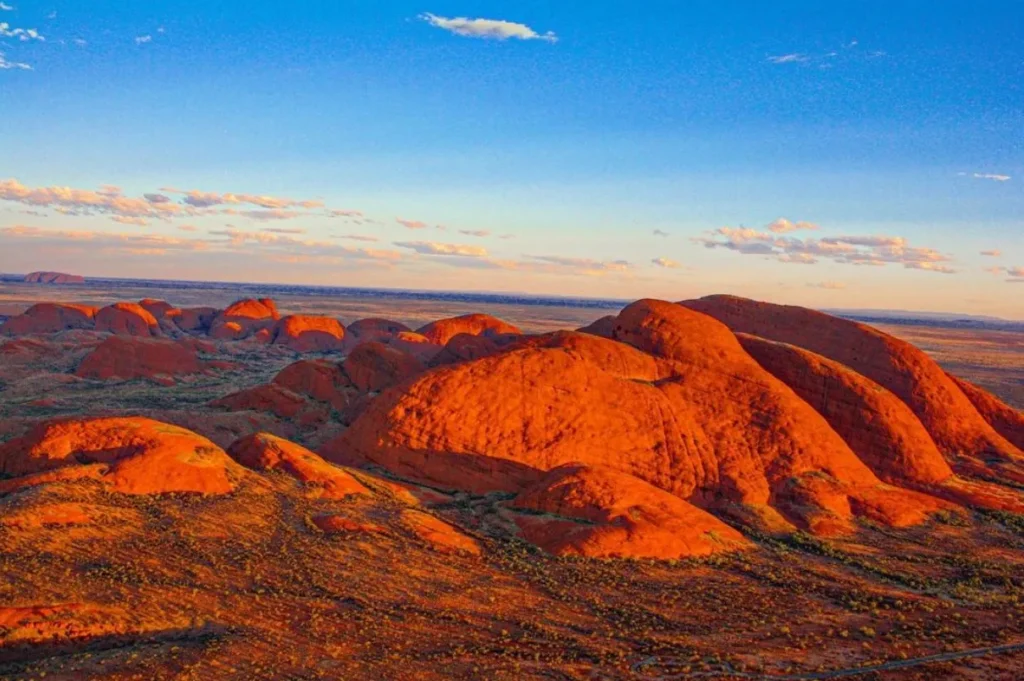
Uluru-Kata Tjuta National Park Cultural Landscape
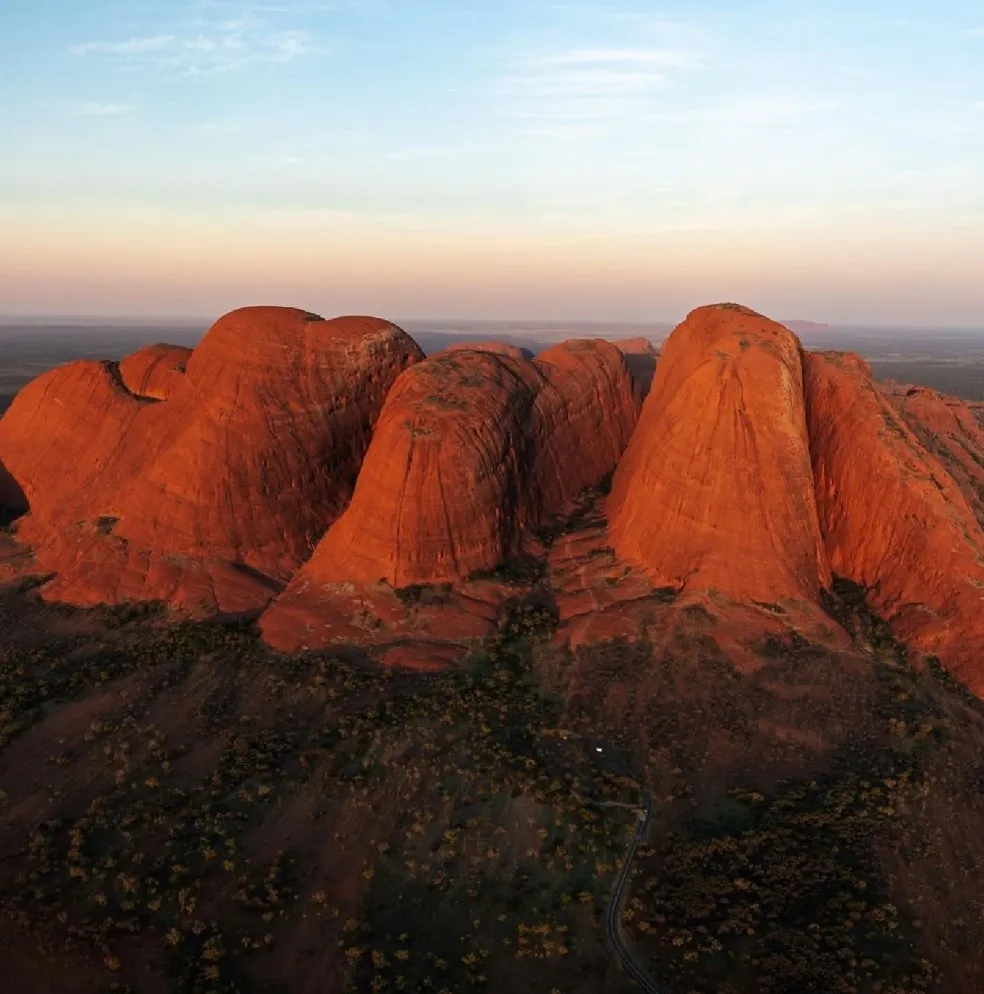
The Uluru-Kata Tjuta National Park in the Northern Territory is home to the big rock of Uluru and the stunning Kata Tjuta rock formations. It’s described as a natural wonder with beautiful landscapes, strong indigenous roots and unique aesthetics. This UNESCO World Heritage site is not just several pretty views; it’s a cultural landscape where ancient stories are told about one of the longest-living cultures on Earth. Covering 1,300 square kilometres, this park has not only Uluru and Kata Tjuta but also a wide variety of plants and animals living in this harsh desert environment.
These rocks are sacred to the Anangu people, they believe they are what make them who they are as a culture and give them their identity; so these formations give visitors a glimpse into Aboriginal tradition. There are many sacred sites throughout this reserve, each with its own meaning that has been passed down through time since the beginning of time while living on this red soil under big blue skies broken up by clumps of grey-green Desert Oaks. It’s just magic! That’s why everyone should come here at least once in their lifetime if they can because nowhere else on earth is like this.
Local Anangu knowledgeable guides lead tours, and visitors can learn about the natural and cultural values of the park. These Uluru tours give visitors the chance to hear from the people who have known this country for tens of thousands of years, hear creation stories and other traditional stories about these big rocks, and learn how Aborigines lived off the land, which is harsh and rich at the same time. For example, there’s no better way to go hunting or gathering with Aboriginal people who are still following traditional ways today even though most tourists think such practices have disappeared into history books somewhere – and this is just one of many things that will stay with you forever after you leave here!
To top it all off the Tjuta Cultural Centre in the park has educational displays, workshops and Anangu arts and crafts. A visit to Uluru-Kata Tjuta National Park can be life changing as it gives you an immersion into Australian history from the oldest living culture to today.
Sacred Wonders
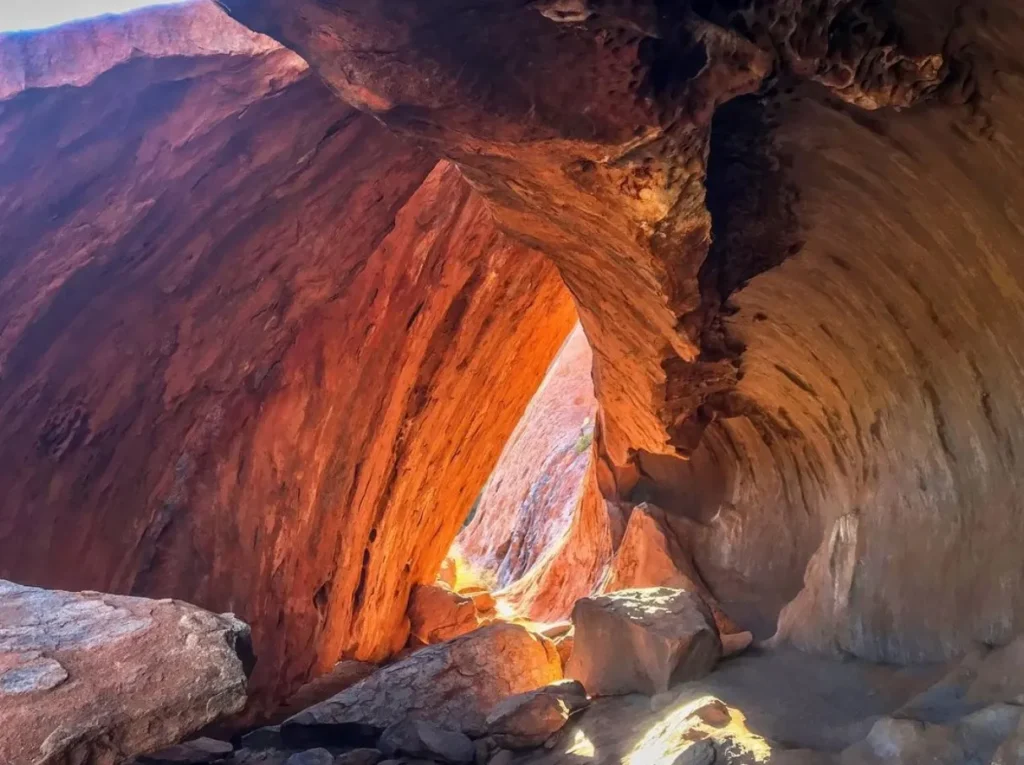
- Sunrise and Sunset at Uluru: Watching the rock at Uluru change colour at sunrise or sunset is a special experience. From ochre to deep red, the rock comes alive and reflects the light in a mesmerising way. These are moments when you can be quiet for a while and think of yourself as part of an ancient culture and amazing landscapes of the Northern Territory.
- Mala Walk: When you visit Uluru don’t miss the Mala Walk. This guided walk takes you around the base of the big sandstone monolith where visitors learn about the aboriginal people known as “mala”, their sacred sites and some of the rock art found there which is very significant to them. It’s an easy walk – wear good walking shoes – so expect to get up close and personal with parts of Uluru and its history.
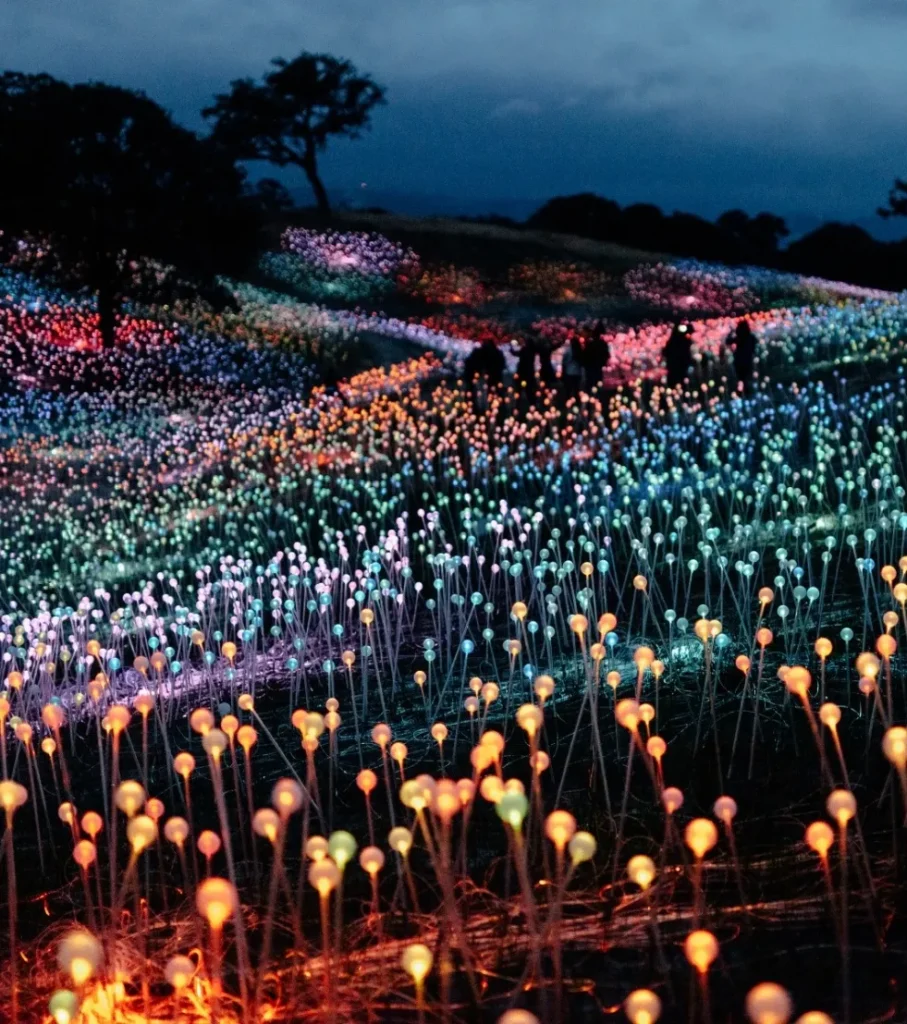
- Field of Light: The Field of Light installation by Bruce Munro is a beautiful example of how modern art can fit into ancient desert landscapes like those found in Uluru National Park. As the sun sets, over 50,000 individual stems illuminate the barren ground and create fantastic patterns of thousands of colours under the outback stars. This is a temporary exhibit, but it’s another chance for people to experience something magical after dark in the vicinity of uluṟu-kata tjuṯa National Park.
- Kata Tjuta (The Olgas): Kata Tjuta should also be included in any visit itinerary. From the Valley Of Winds lookout, one gets a panoramic view across many impressive domes comprising this geological formation called kata Tjuta; they’re still taller than nearby Ayers rock itself, though not wider! Each walkway offers different levels of difficulty, so you are better prepared if you choose a harder route like a mala walk, no matter what option is taken. Never forget to bring a camera because every corner turned could lead to breathtaking scenery, offering insights into cultures untouched by civilization.
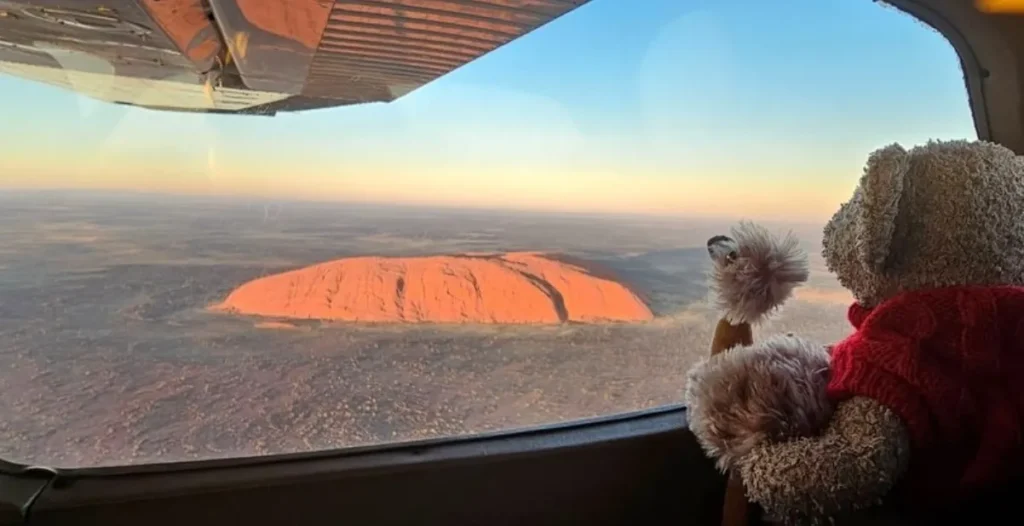
- Scenic Flight: For a different perspective, consider taking a scenic flight over Uluru and Kata Tjuta. From the air, you can fully appreciate the scale of these ancient rock formations and the vastness of the surrounding Australian desert. The bird’s-eye view of this natural beauty is a highlight for many visitors, offering a truly unforgettable glimpse of these natural wonders.
Cultural Engagement
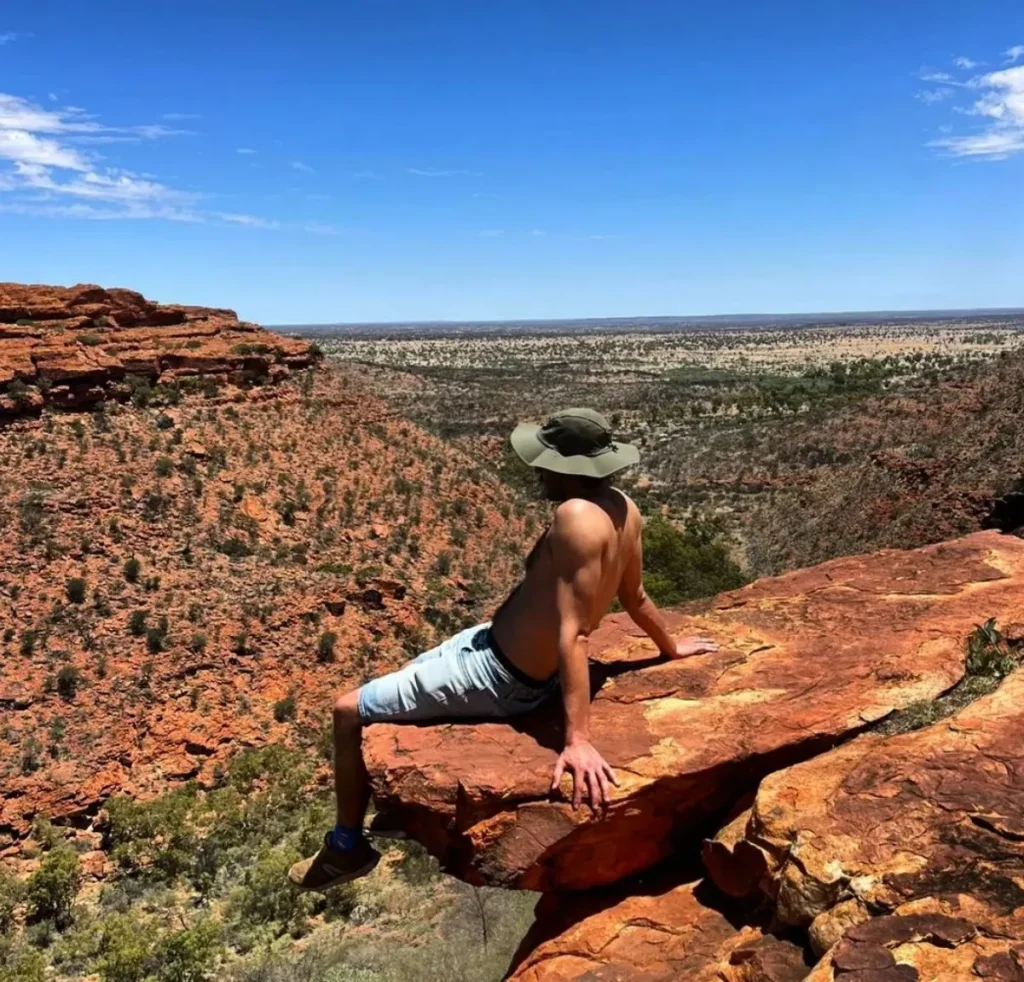
Going to the Tjuta Cultural Centre will help you understand more about the history and culture of the Anangu people. You can see how European settlement affected aboriginal life and what they did to keep their old ways alive. There are displays that teach things in addition to artworks for sale that show aboriginal authenticity; this makes for an incredibly important stop along any cultural itinerary.
Travel Tips
- Respect the earth: Uluru is sacred, thus all rules must be kept without omission such as climbing which is taken as a grave insult to the original inhabitants.
- Keep hydrated: The Red Centre can be extremely hot, particularly in the summer months. Always have plenty of water with you and wear sunblock.
- Plan ahead: You should plan your trip well in advance since Uluru-Kata Tjuta National Park is situated in a remote area. During peak travel seasons, it is advisable to book accommodation and tours early.
- Pack appropriately: Ensure that you carry comfortable walking shoes for different trails and keep in mind the varying temperatures of the desert environment.
- Consider fauna: Kangaroos, wallabies, and many bird species are among the unique animals found within Uluru-Kata Tjuta National Park. Do not feed them because it may interfere with their natural behaviour, but rather watch these creatures from a distance.
- Time your visit right to avoid crowds: For you to fully enjoy peace and spiritual ambiance of Uluru during sunrise or sunset hours would be the best time when there are fewer people around plus lighting is most magnificent.
Conclusion
The end of the journey is not Uluru alone but Australia itself in its deepest spiritual sense. It is beyond time to pay homage to nature’s monuments as we marvel at them being immemorial. The earth’s artistic mastery will be best appreciated only when the customs of the Anangu people are observed since this land has never ceased to be beautiful for any second. You can never forget such an experience, whether it means seeing Ayers Rock lit up by first light or strolling through red valleys between the Olgas where giants sleep or meditating upon tales spun into dust that cover this place.
FAQ
Is climbing Uluru allowed?
Since October 2019, it has been illegal to climb Uluru out of consideration for the wishes of the Anangu people. We should respect this request and look around by using different walking trails.
What is the ideal time of year to visit Uluru?
The most appropriate time to visit Uluru is between May and September because it’s less hot outside during these months.
How long should one ideally stay at Uluru?
It is suggested that a minimum of three days be spent at Uluru and Kata Tjuta in order to do multiple tours, see sunrise/sunset from different viewpoints, and explore the surrounding area.
Is there any accommodation near Uluru?
Yes, there is accommodation near Uluru. You can find everything from luxury resorts to campgrounds. Yulara is the main resort village where visitors can choose from a range of options.
Can I go to Uluru at night?
Yes, you are welcome to go to Uluru at night. This could be for seeing Field of Light or stargazing under desert skies. Nevertheless, ensure all park rules are followed and care is taken not damage anything natural.
Are there any limits on taking photos at or around Uluru?
Yes, some places prohibit photography in consideration of cultural importance on site. These areas will be clearly signposted so please take notice and adhere accordingly.