
If you’re thinking about launching a cosmetic tattoo business, you’re not alone — studios like Cosmetic Tattoo Melbourne Studio are proving just how powerful this niche can be when it’s done right. But what do you need to dtart a cosmetic tattoo business?
Starting a cosmetic tattoo business is more than just buying a machine and winging it with a pigment pot. It takes artistic skills, strategic planning, and serious respect for the skin you’ll be working on. If you’ve ever caught yourself obsessively analysing someone’s eyebrow tattoos on a train, or you know the difference between cool-toned pigments and warm correctional formulas without checking the label, you’re already halfway there.
But what do you actually need to go legit and start offering cosmetic tattooing and tattooing procedures professionally in Australia? Let’s break it down.
Training First, Always
Whether you’re aiming to work at a top studio like Cosmetic Tattoo Melbourne Studio or start your own, enrolling in a cosmetic tattoo course is the essential first step.
Before you even think about logos, socials, or studio decor, you need proper, comprehensive training. No exceptions.
Here’s what to look for:
- Accredited training: In Australia, this means nationally recognised certificates like SHBBSKS003 (Design and Provide Cosmetic Tattooing) delivered by a registered training organisation (RTO). Check the level of accreditation to ensure it meets your state’s legal standards.
- Hands-on models: Watching demos is fine. But nothing replaces the pressure (and thrill) of working on real clients.
- Ongoing support: A good course offers mentorship, shadowing options, or refreshers.
Avoid those flashy two-day workshops that promise advanced skills but skip infection control standards or safety regulations. Choose a cosmetic tattoo course that includes in-depth hygiene practices, hands-on training, and business readiness. Ethical cosmetic tattoo artists prioritise education over speed. that promise advanced skills but skip infection control standards or safety regulations. Ethical cosmetic tattoo artists prioritise education over speed.
Legal & Hygiene Requirements
Cosmetic tattooing falls under skin penetration procedures, and Australia has strict public health regulations to protect everyone involved.

You’ll need:
- Council approval: Each local council has different requirements for tattooing services. Some need a Development Application (DA), others may allow mobile setups under strict hygiene compliance.
- Tattoo operator licence: You may need a specific tattooist or tattoo operator licence depending on your state and whether your services include non-intimate body tattooing or cosmetic-only work.
- Skin penetration licence: Usually issued by your state’s health department (e.g., under NSW’s Public Health Regulation 2012).
- Infection control certification: Typically HLTINF005 (Maintain Infection Prevention for Skin Penetration Treatments).
- Business registration and insurance: An ABN, liability insurance, treatment risk cover, and property damage protection are a must.
Make sure your treatment room complies with:
- Smooth, non-absorbent surfaces (no carpeted rooms, ever)
- Separate handwashing basins
- Adequate space for your equipment and clients
- Disposable single-use tools wherever possible
Equipment Essentials: Your Starter Kit
Buying every tool and pigment under the sun might be tempting, but you can start lean and professional. Here’s a no-nonsense kit for beginners:
| Category | Essential Items |
|---|---|
| Device & Needles | Rotary tattoo machine with adjustable speed; cartridges |
| Pigments | Reputable brands that meet EU or Australian standards |
| Numbing Agents | TGA-compliant topical anaesthetics (with scripts if required) |
| PPE | Gloves, aprons, face masks, barrier film |
| Consumables | Pigment rings, ink cups, microbrushes, cotton rounds |
| Furniture | Adjustable bed/chair, lighting, stainless steel trolley |
| Cleaning Supplies | Clinical grade disinfectants, sharps bin, waste bags |
Pro tip: buy fewer colours, but learn your colour theory inside out. You’ll get better healed results with thoughtful pigment mixing than a rainbow of random bottles.
Prices That Make Sense
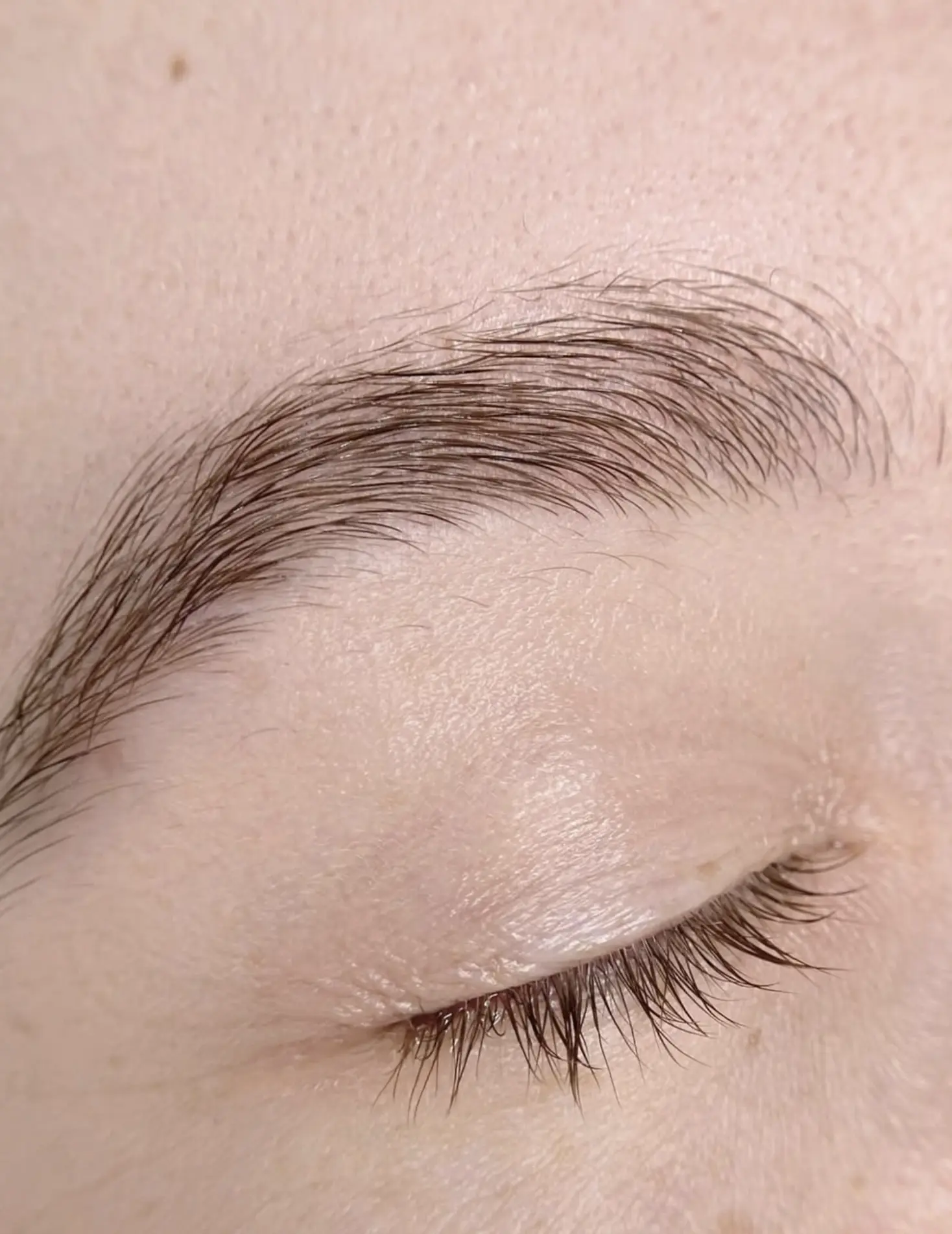
Start with the basics: brows. They’re high in demand and allow you to master fundamentals like symmetry, skin stretch, and pigment retention.
From there, expand to:
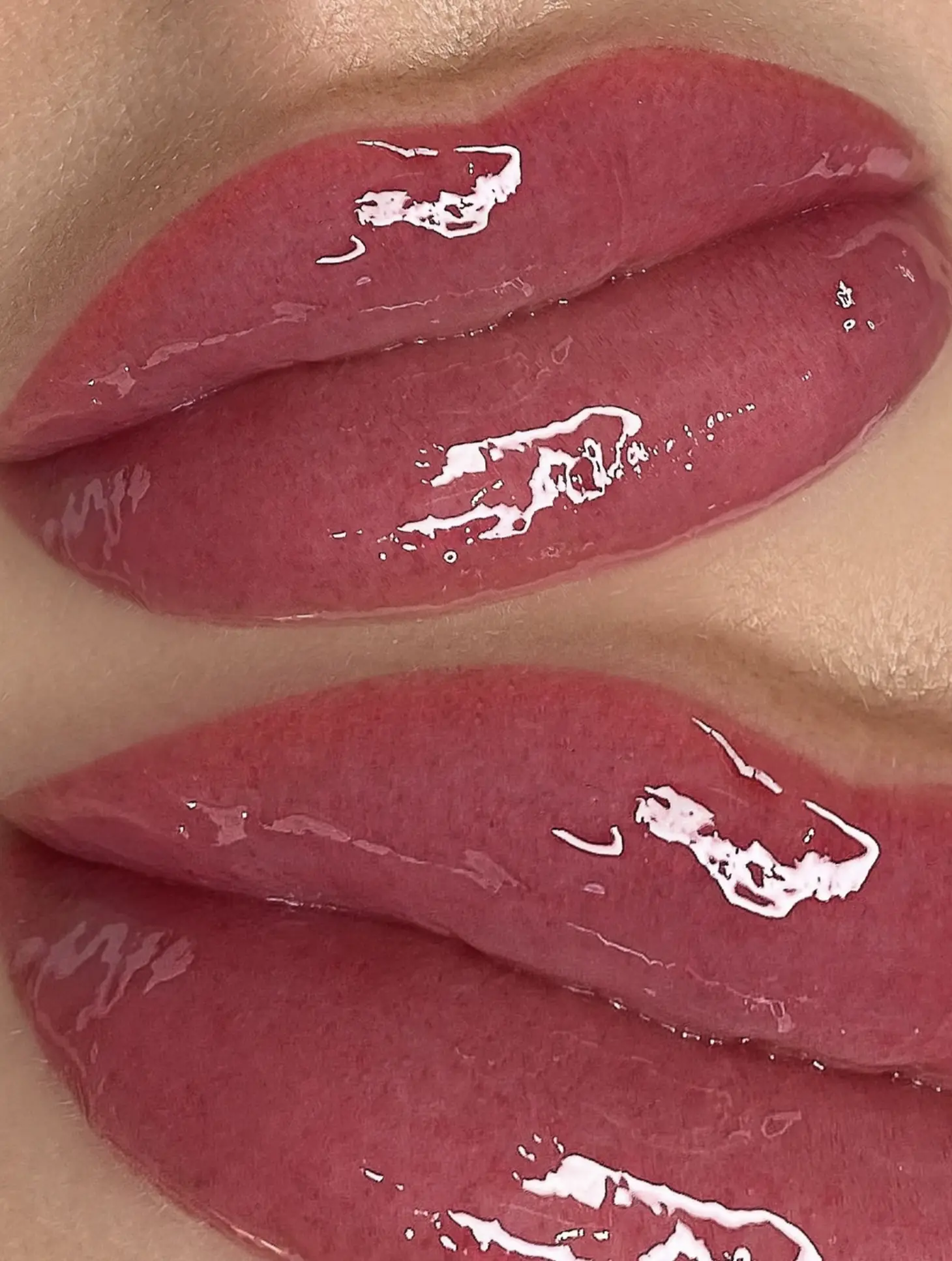
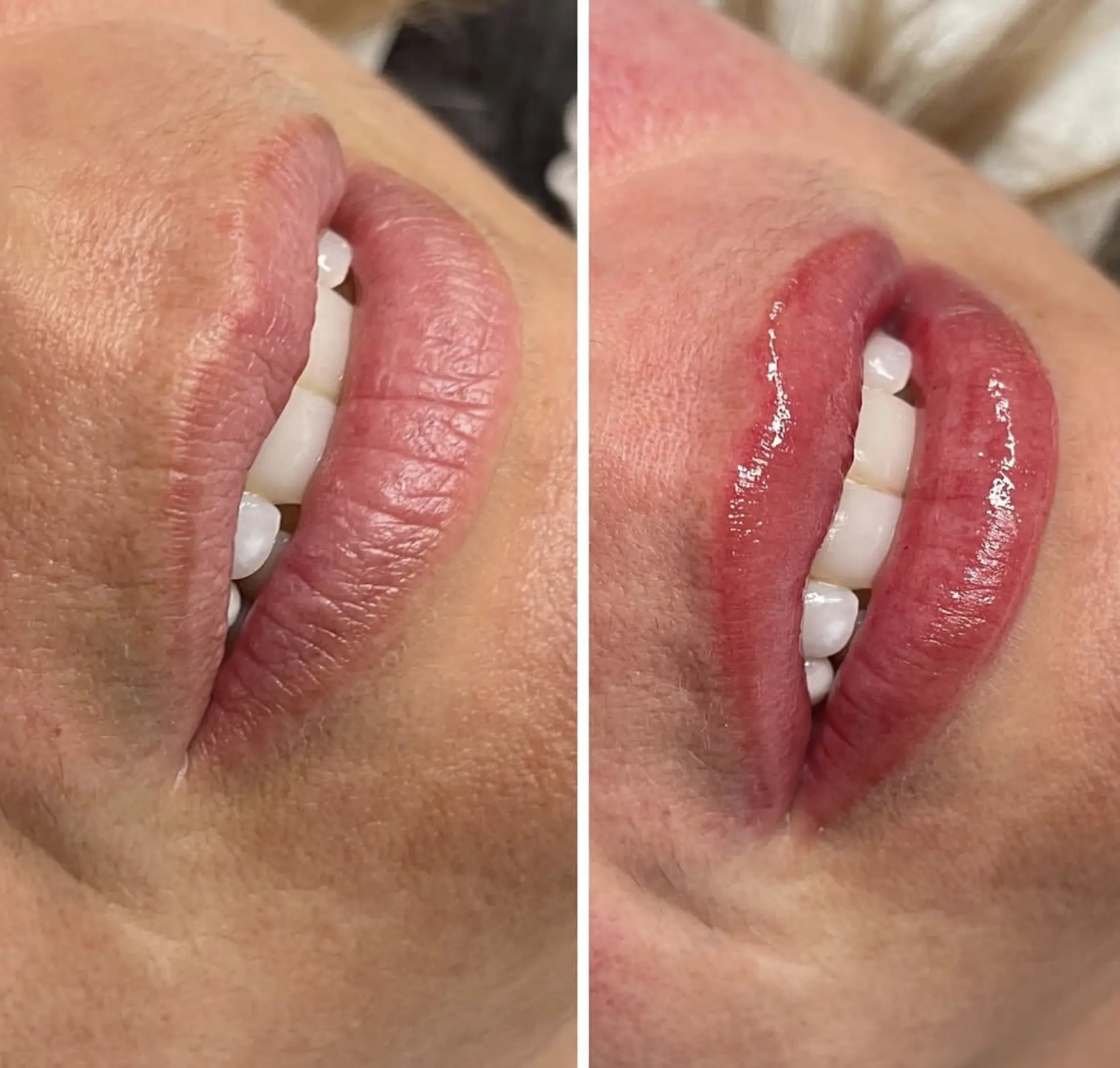
- Lip blush (a leading beauty trend in 2025)
- Eyeliner tattoos (lash enhancements)
- Colour correction and camouflage tattooing
- Removal techniques (saline, non-laser)
- Permanent makeup services for the esthetics beauty business
Pricing tip:
Don’t undercut the market. Introductory pricing is fine while you build your portfolio, but set boundaries. You’re offering tattooing techniques on someone’s face — it should never be bargain-bin territory.
Branding, Reviews, and Before/Afters
When it comes to your marketing, forget filters. Clear, honest photos and consistent healed results build more trust than a trendy logo ever will.
- Document everything: Before, immediately after, and healed at 4–6 weeks
- Show real skin: Texture, redness, flaking — this is normal, and clients should see it
- Encourage reviews: Especially ones that speak to your bedside manner and healing support
- Stay in your lane: Don’t copy other cosmetic tattoo artists. Develop your signature look over time.
Inside Today’s Beauty Industry
According to the latest stats from the Australian Beauty Industry Survey (ABIS 2025), cosmetic tattooing continues to rise, with lip blush bookings up 32% year-on-year and demand for natural-looking brows holding steady.
More clients are also asking about:
- Vegan and cruelty-free pigments
- Non-laser removal options
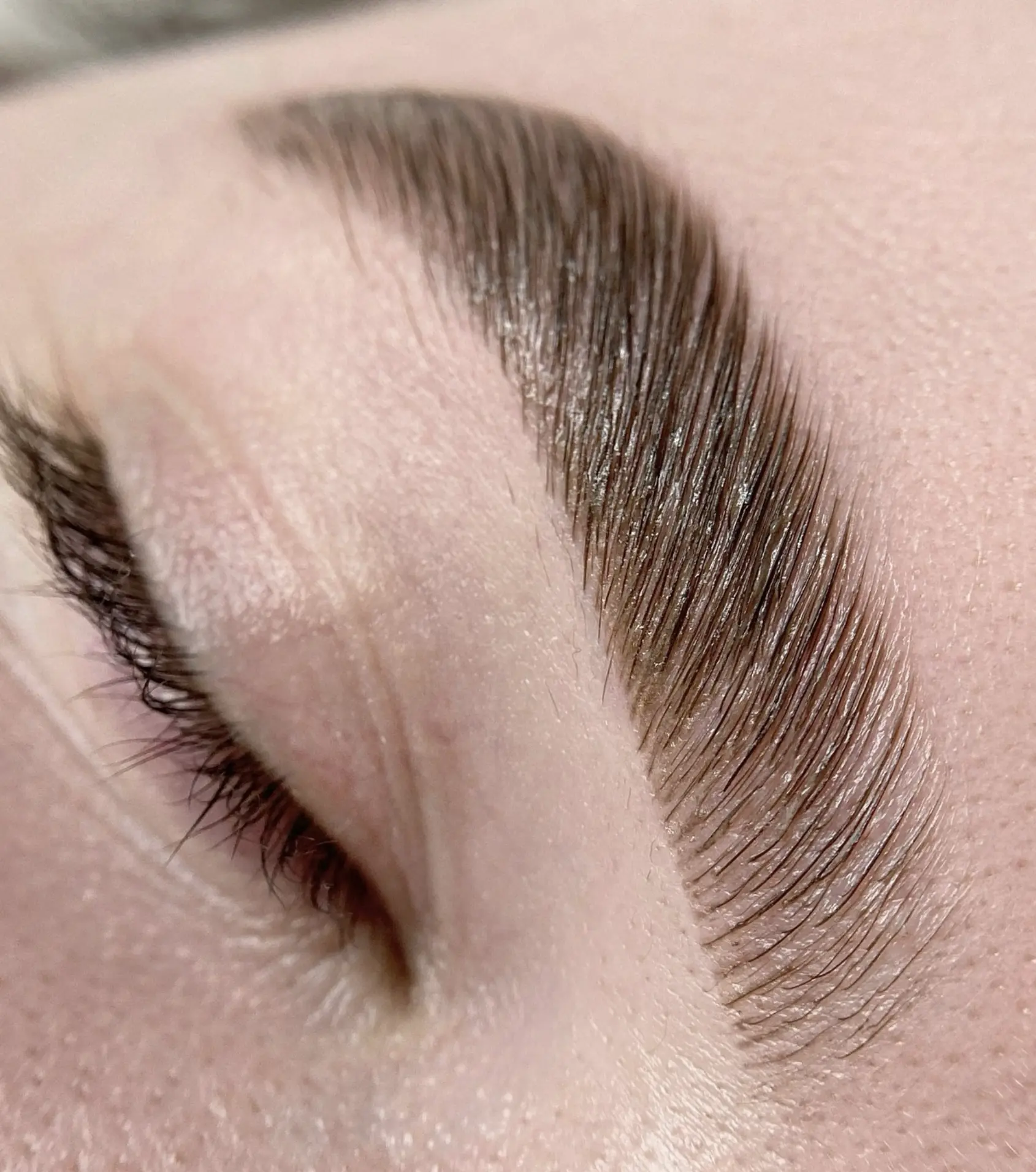
- Hyper–realistic hairstrokes on mature skin
This tells us one thing: clients are getting more informed, and they expect you to be too. Attending industry conferences and staying up to date with the skin penetration industry is key to staying competitive.
Final Thoughts
Starting a cosmetic tattoo business isn’t about going viral overnight — it’s about building skills, trust, and confidence in your work. Respect the skin you work on, keep learning, and stay grounded in real results (not just all-around beauty ideals).
Still feeling unsure? Ask questions. Reach out to artists you admire. Or shoot me a message — I’m always happy to talk shop with passionate beginners.
Want a printable version of this checklist or a full list of requirements for tattooists in your state? Just ask below — I’ll send it your way.
FAQ
How long does it take to become fully qualified?
If you go the accredited route (which you should), training plus supervised hours and assessments can take 3–6 months of practical training and classroom work.
Can I start from home?
Only if your council permits it and your space meets health code requirements. You need adequate space, separate clean zones, and correct sink facilities. Many artists rent a room in existing beauty salons to begin.
What insurance do I need?
At minimum: public liability, professional indemnity, treatment risk, and property damage cover. Confirm your insurer includes cosmetic tattooing and other skin penetration procedures.
What if I make a mistake with a client?
It happens. You need correct knowledge, removal training, and strong ethical standards. Document the issue, inform the client honestly, and always follow proper aftercare and application process protocols.
How do I attract my first clients?
Model calls, referrals, and strong healed results are key. Use your settings panel on social media to target local beauty trend followers, and focus on clients with a passion for beauty and natural beauty enhancements.