
Ask most people about Western Australia’s coast and they’ll rattle off names like Coral Bay, Turquoise Bay or Ningaloo Reef. But mention the Pinnacles Desert, with its towering limestone pillars and lime-rich sands shaped by coastal winds, and you’ll usually get a curious look followed by, “What animals live in the Pinnacles?” I’ve been wandering this part of the Coral Coast for years, and it never ceases to amaze me how alive the desert feels once you know where to look. It’s not just about the rock formations — it’s about the skittering lizards, the shy marsupials and the nocturnal hunters that make the Pinnacles National Park hum after dark.
I’m Paul Beames, founder of Get Lost Travel Group, and I’ve guided more than my fair share of wide-eyed travellers through WA’s sand, limestone beds and coastal dune systems. This article is my attempt to put it all down in one place: a proper field note on the flora and fauna you might cross paths with in the Pinnacles Desert. No brochures, no fluff — just the practical, lived-in detail you’ll actually want before you hit the walking trails or pop into the discovery centre.
Creatures of the Pinnacles
The Pinnacles Desert is inside Nambung National Park, about 200km north of Perth, on WA’s Coral Coast. On paper, it looks barren — a stretch of yellow sand punctuated by thousands of limestone formations. But like much of Australia’s bush and desert country, it hides more life than meets the eye.
- 176 native animal species have been recorded in Nambung National Park.
- 128 bird species have been spotted here.
- Reptiles are everywhere, from geckos to snakes.
- Marsupials roam the bushland margins, though many are nocturnal.
- Tourists on our 1 Day Pinnacles Tour often come away surprised at how much wildlife they see in just a short visit.
A Snapshot of Pinnacles Wildlife
| Animal Type | Common Species | Notes |
|---|---|---|
| Reptiles | Bobtail lizard, sand goanna, geckos | Commonly seen basking on rocks or sand |
| Mammals | Western grey kangaroo, echidna | Most active at dawn/dusk |
| Birds | Emu, galah, Australian kestrel | Seen across the park year-round |
| Sea Animals | Australian sea lions, humpback whales | Seen along the Indian Ocean coastline |
| Nocturnal Hunters | Barn owl, bats, dingoes (occasionally) | Heard or seen after sunset |
Kangaroos and Other Grazing Mammals
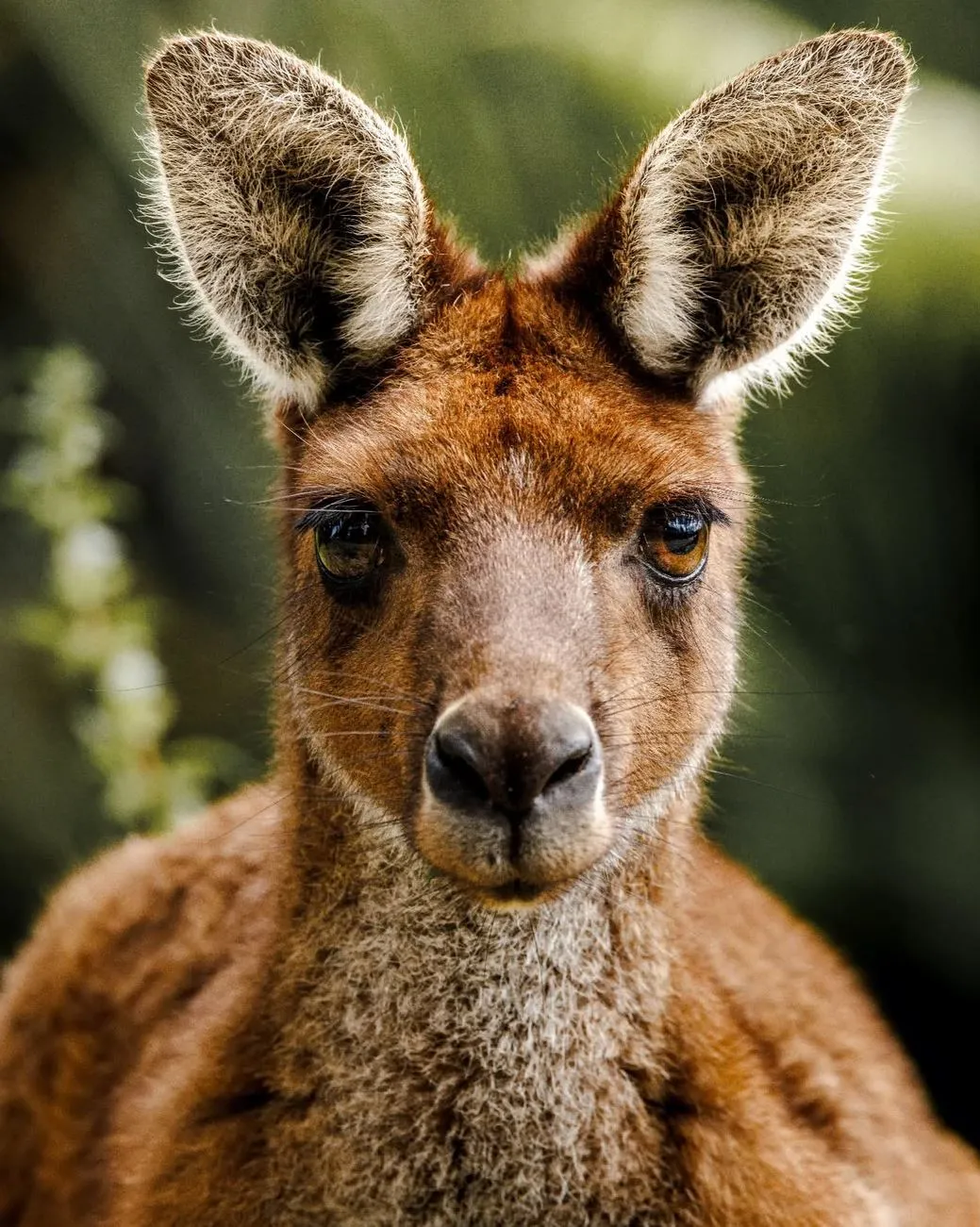
Spotting a western grey kangaroo in the Pinnacles Desert is like seeing your first road train — it’s iconic, expected, but still exciting when it happens. They move in mobs and are most active in the cooler parts of the day. I’ve pulled up by the discovery centre more than once to find a couple of roos just chillin’ in the scrub.
Other mammals are harder to find. Echidnas shuffle through the sand looking for ants, but you’ll need sharp eyes and patience to spot them. Possums and small marsupials like dunnarts exist too, but are more active at night.
Travel tip: Drive slowly at dawn and dusk. Kangaroos don’t respect road rules, and a collision can ruin more than your trip — it’s dangerous for both you and them.
If you’re short on time, a 1 Day Pinnacles Tour with Pinnacles Tours is a great way to see as much wildlife as possible while exploring the desert’s formations.
Reptiles: The Sun-Lovers of the Desert
Reptiles are the daytime stars of the Pinnacle Desert. With so much open ground and sunshine, it’s a paradise for cold-blooded creatures.
- Bobtail lizards (shinglebacks): Big, slow and often seen dragging themselves across the track. They look prehistoric but are harmless.
- Sand goannas: Fast movers that bolt for cover as soon as they see you.
- Geckos: Abundant but mostly active at night. Shine a torch carefully and you’ll see them darting across the sand.
One of my favourite encounters was with a sleepy bobtail who decided my tyre made a good shade spot. He wasn’t in a hurry, and I wasn’t about to argue.
Birds: From Emus to Raptors
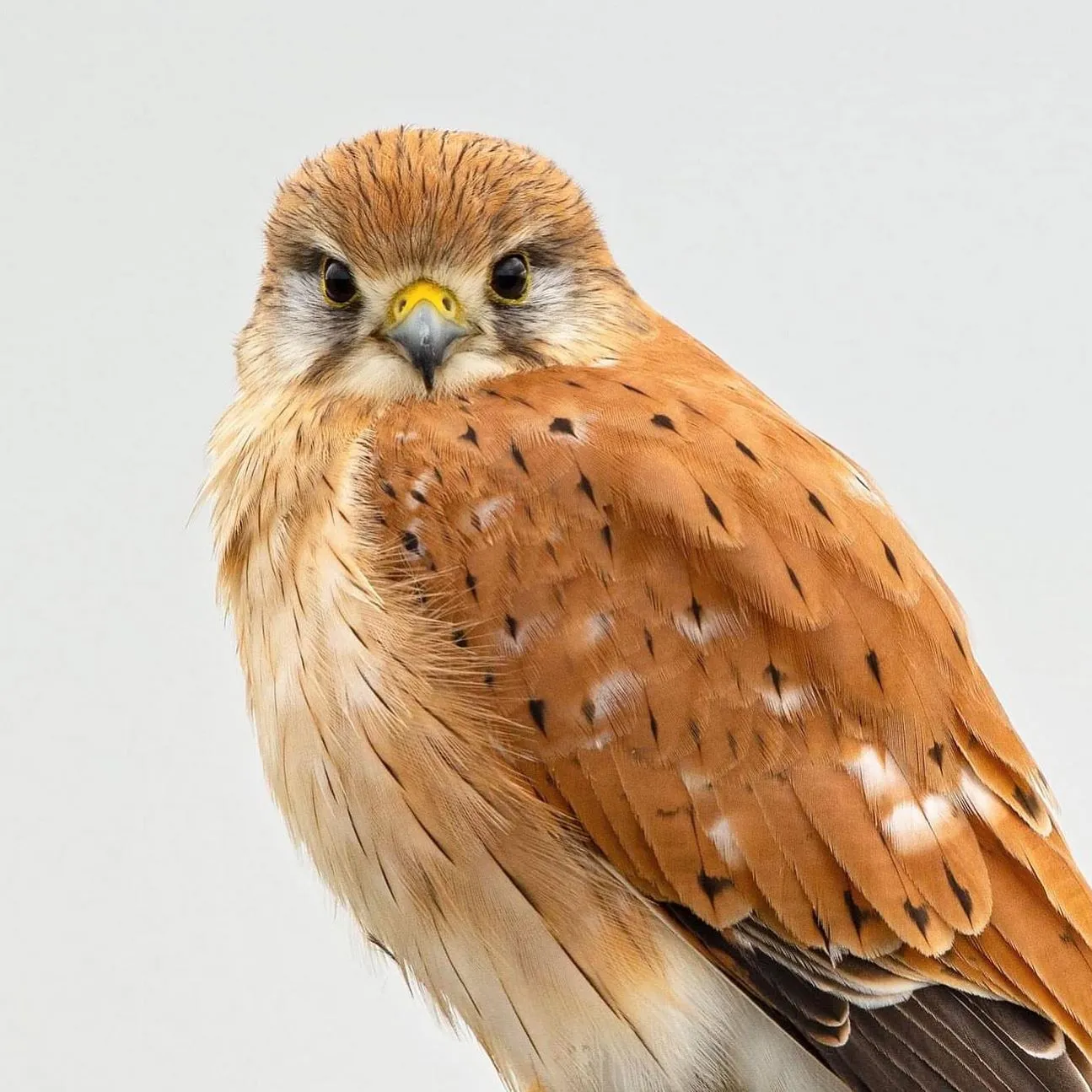
Birdwatchers could lose themselves here for days. With 128 species recorded, you’ll hear the desert before you see its feathered residents.
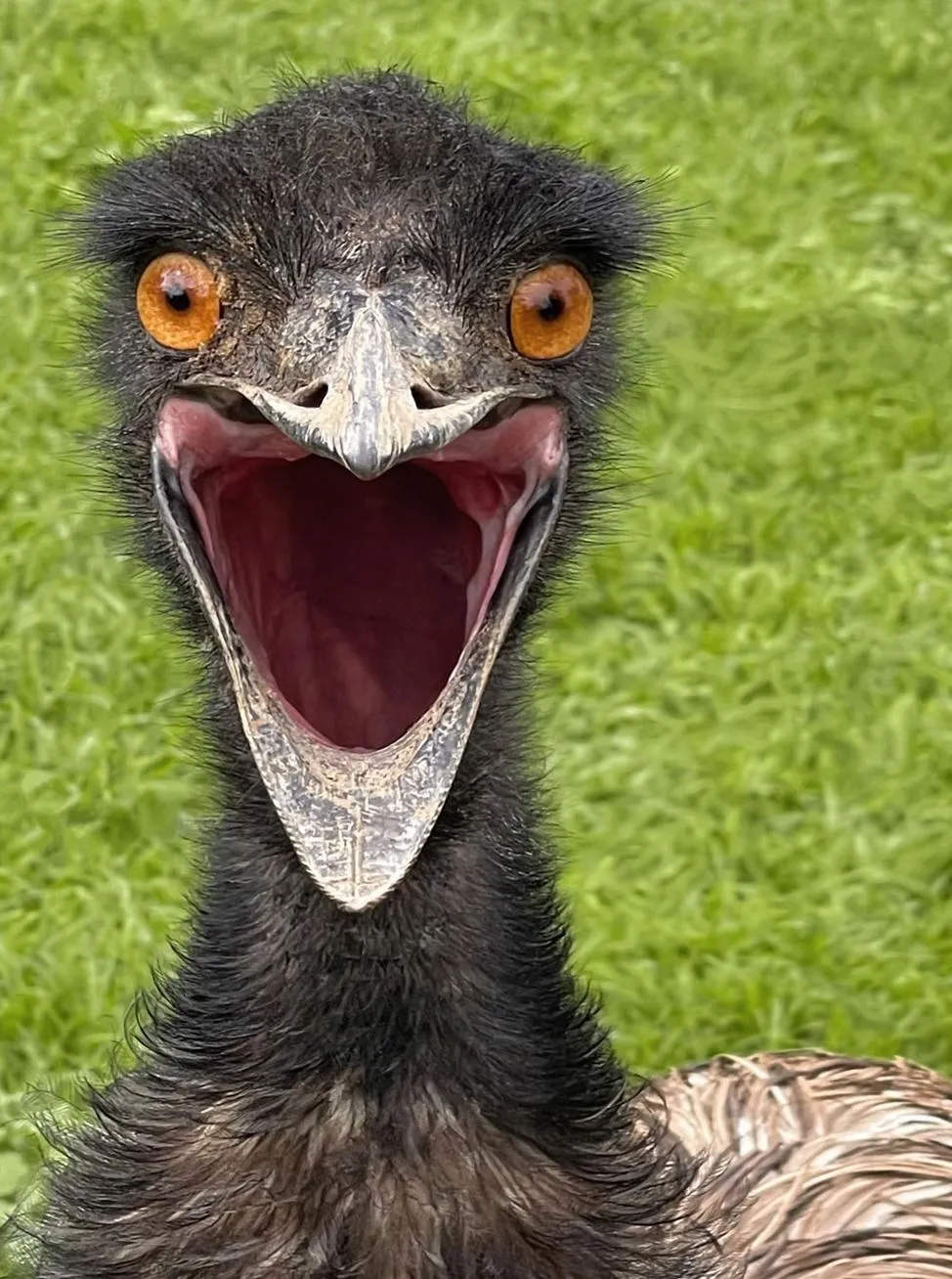
- Emus: Australia’s big chooks, often striding across open areas.
- Parrots and cockatoos: Galahs, corellas and red-tailed black cockatoos are noisy companions.
- Birds of prey: Kestrels and wedge-tailed eagles circle above, looking for lizards and small mammals.
You might even get to see an emu procession — a line of long-necked birds marching across the desert like a birdie army. Many people book a 1 Day Pinnacles Tour for this very reason — to see Aussie wildlife in the wild.
Nocturnal Animals: After Dark Encounters
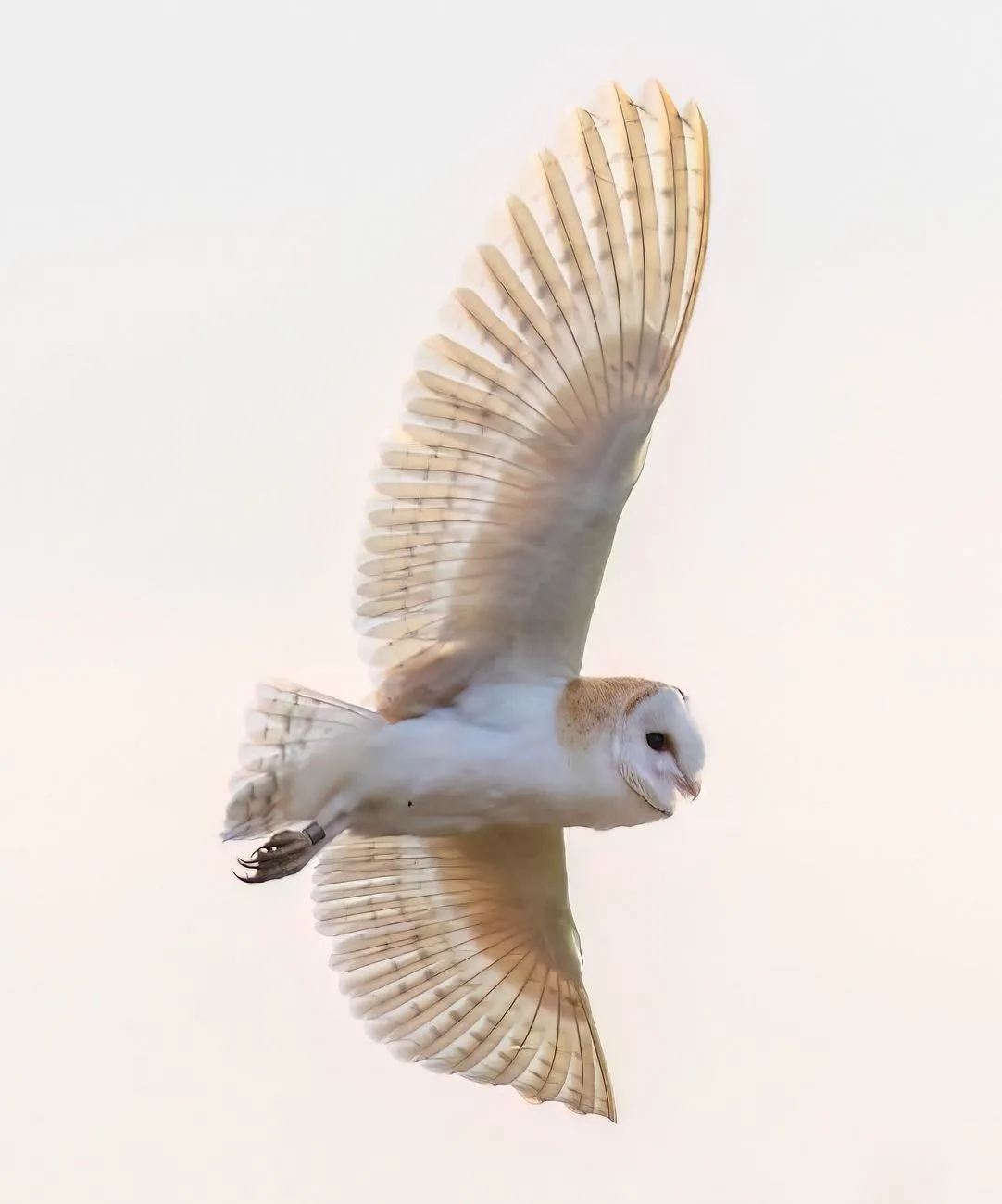
Once the sun goes down, the Pinnacles come alive. The air cools, and the animals that have been hiding from the heat start to move.
- Owls and bats: The night skies are full of movement. Barn owls can be heard calling across the dunes.
- Dingoes: Rarely seen but present. Their tracks sometimes appear in the sand by morning.
- Marsupial mice and dunnarts: Tiny insect eaters that scurry between shrubs.
A night drive with a spotlight (within the rules and speed limits) can reveal some of these desert residents, but remember, Pinnacles National Park is protected land and wildlife always takes priority.
Marine Life Along the Coral Coast
The Pinnacles Desert may be inland, but it’s surrounded by the Indian Ocean. Drive west and you’ll find pristine beaches, coastal dunes and plenty of sea life to complete the picture.
- Australian sea lions: Haul up on the sandbars along the coast – a rare and playful sight.
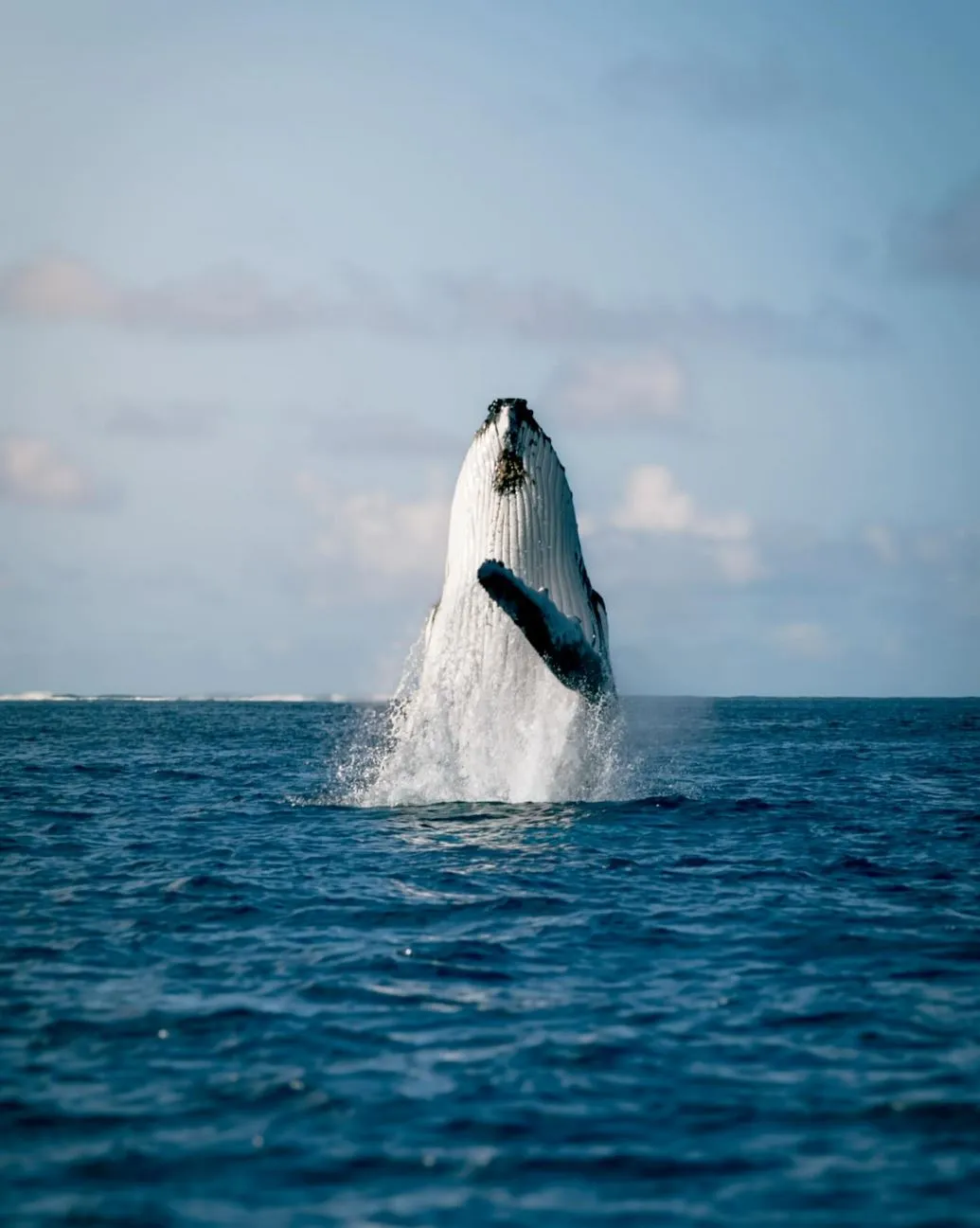
- Humpback whales: Migrate along the WA coast from June to November. See them breaching offshore.
- Sea shells and marine organisms: Evidence of an ancient seabed that shaped today’s limestone formations.
A day combining the Pinnacles with a coastal stop is a classic Coral Coast itinerary, and many Pinnacles Tours operators include beach time or even fish and chips by the sea. A 1 Day Pinnacles Tour is often paired with coastal stops, so you can get the best of both desert and sea in one adventure.
Insects and Other Small Critters
Not all desert animals are cute or charismatic. Some bite, some sting, and some just annoy.
- Ants: Watch where you step. Meat ants are aggressive defenders of their nests.
- Mosquitoes: If you’re around still water after rain, bring the repellent. Mozzies don’t care about your travel schedule.
- Spiders and scorpions: Present but generally reclusive. Shake out your swag before rolling in for the night.
Best Times to See Wildlife in the Pinnacles
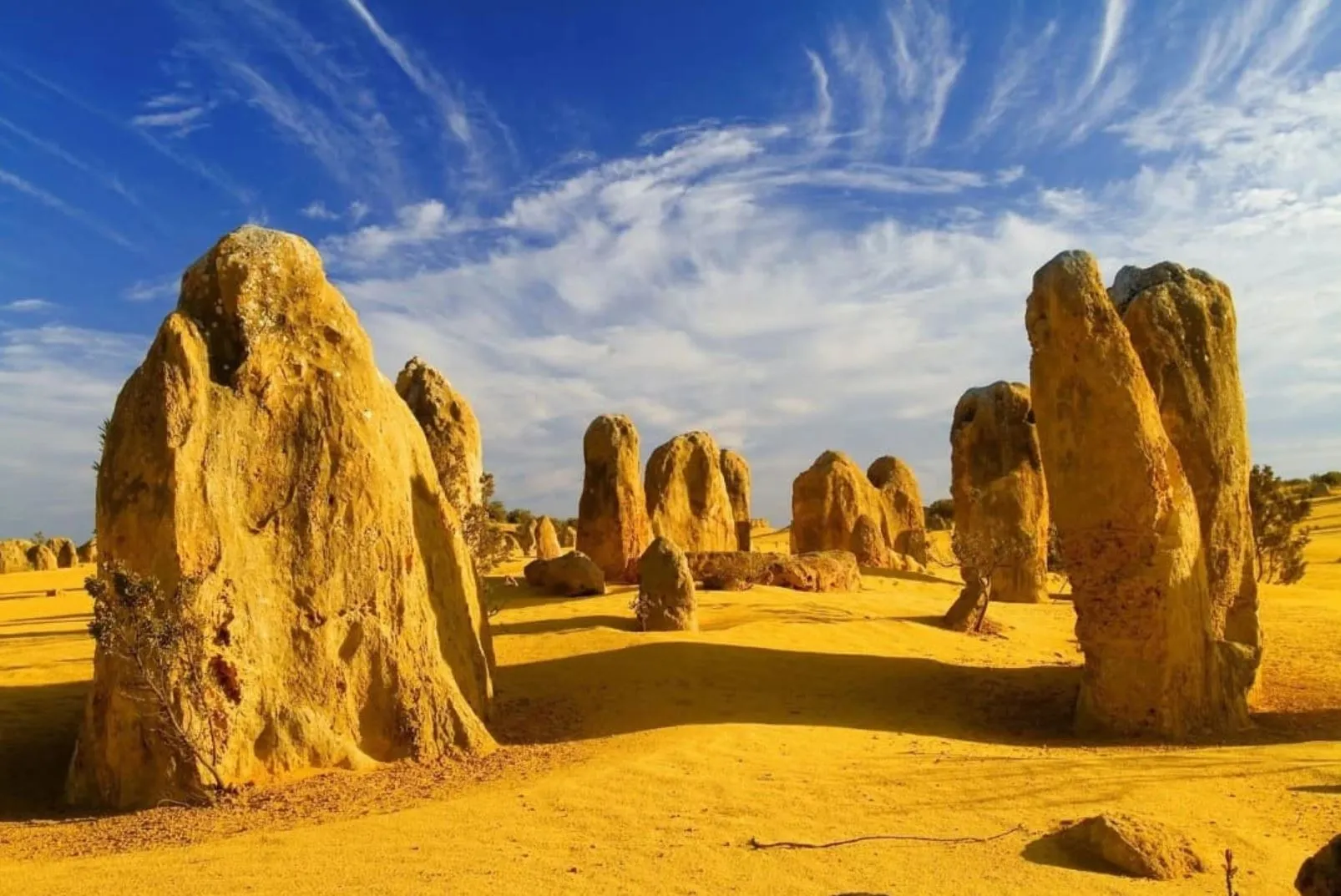
Like the desert itself, wildlife activity follows the sun and seasons.
- Dawn and dusk: Best for kangaroos, emus and grazing mammals.
- Midday: Reptiles soaking up the heat on open sand.
- Night: Owls, bats and small marsupials.
Seasonal Considerations
- Spring (Sept–Nov): Wildflowers out, nectar feeding birds and bush tucker species.
- Summer (Dec–Feb): Hot, so not much daytime activity, but reptiles are active.
- Autumn (Mar–May): Cooler days, more kangaroo activity.
- Winter (Jun–Aug): Quiet but good for birdwatching and adventure caving tours.
Indigenous Australians and the Pinnacles
The Pinnacles is more than a rock formation; it’s part of Country. Indigenous Australians have a deep connection to these coastal dune systems and many stories about the limestone pillars and ancestral beings. When you visit, remember this isn’t just a photo stop — it’s shared land and respecting cultural guidance is part of being a good tourist.
Staying Safe in Pinnacles Wildlife
Australia has a bad rep for deadly critters, and while the Pinnacles isn’t terrifying, a bit of bush sense goes a long way.
- Don’t feed the wildlife — it hurts them more than it helps.
- Bring water and a hat — dehydration makes you sloppy.
- Keep your shoes on in the bush — scorpions and spiders like dark hiding spots.
- Follow the park rules — they’re for conservation as much as your safety.
Wildlife Spotting Tips
- Bring binoculars for birds and a torch for nocturnal sightings.
- Stay on the designated walking trails — you’ll see plenty without trampling habitats.
- Join a guided tour with Pinnacles Tours or other local operators — their experience makes all the difference.
- Be patient — wildlife encounters aren’t instant gratification.
Final Thoughts: Why the Pinnacles Feel Alive
The Pinnacles Desert looks barren at first, but spend a few hours here and the life around you starts to reveal itself. Lizards scurry, birds chatter, kangaroos graze, and owls stir as night falls. For me, that’s the real magic — the reminder that Australia’s deserts are never empty, just quietly humming with life.
If you’re planning a trip to WA, consider timing it for early morning or late evening in the Pinnacle Desert. That’s when the landscape and wildlife encounters are at their best. And if you don’t want to figure it all out yourself, we run small group guided holidays through this region at Get Lost Travel — happy to share the desert’s secrets, from bush tucker to coastal dunes, with curious travellers. A 1 Day Pinnacles Tour is the perfect way to get your toes wet in the world of limestone pillars, coastal winds and Aussie animals with Pinnacles Tours as your guide.
FAQ
Can you see kangaroos in the Pinnacles during the day?
Yes, but you’re more likely to see them at dawn or dusk when it’s cool.
Are there snakes in the Pinnacles Desert?
Yes, several species live here, but they avoid people if left alone.
What’s the best time for birdwatching?
Spring, when wildflowers are in bloom and food is plentiful.
Do dingoes really roam the Pinnacles?
Occasionally. They’re shy and rarely seen, but their tracks appear in the sand.
Are there any animals travellers should worry about?
Not really — just use common sense. Snakes and spiders exist, but encounters are rare if you stay alert.