
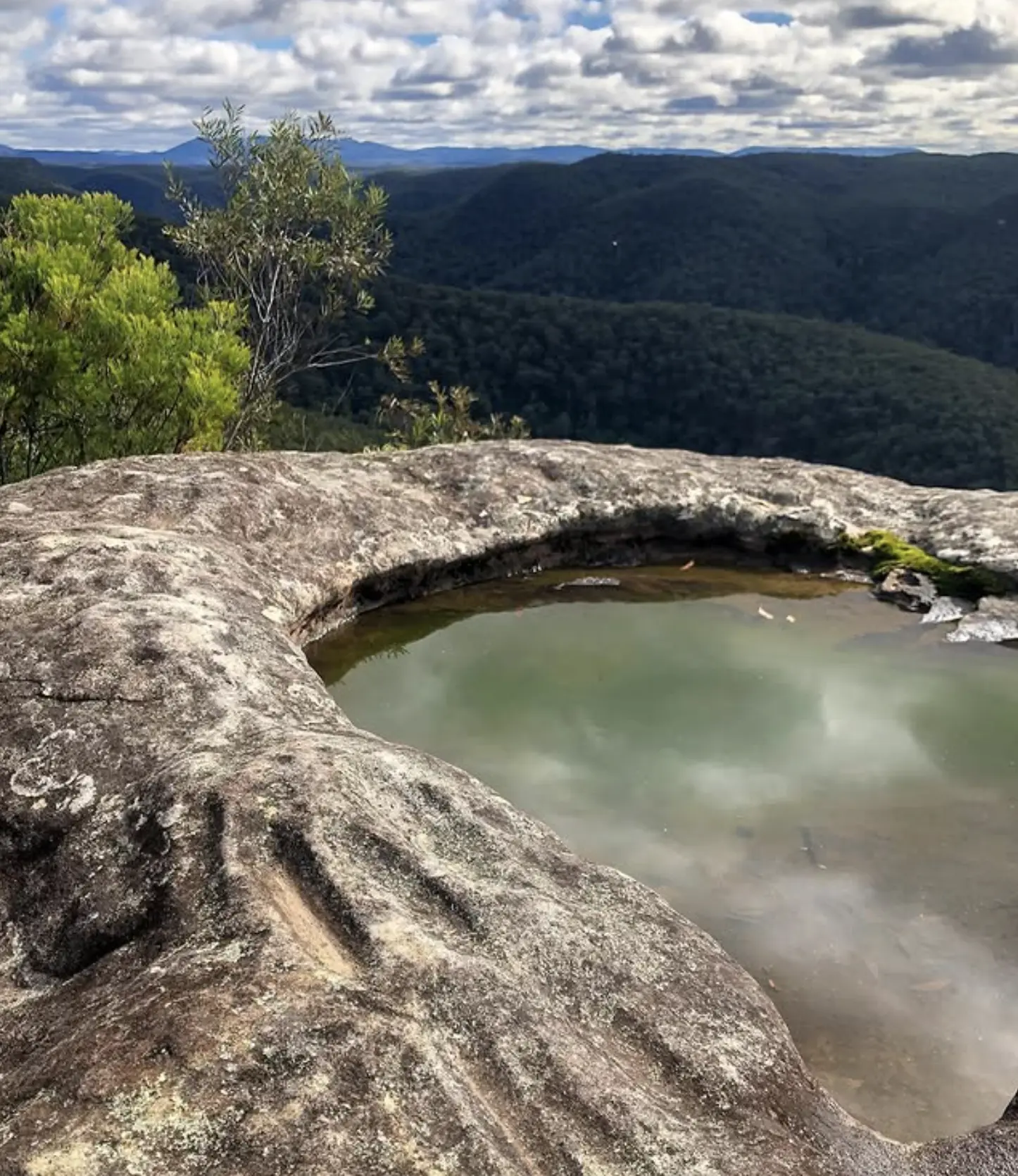
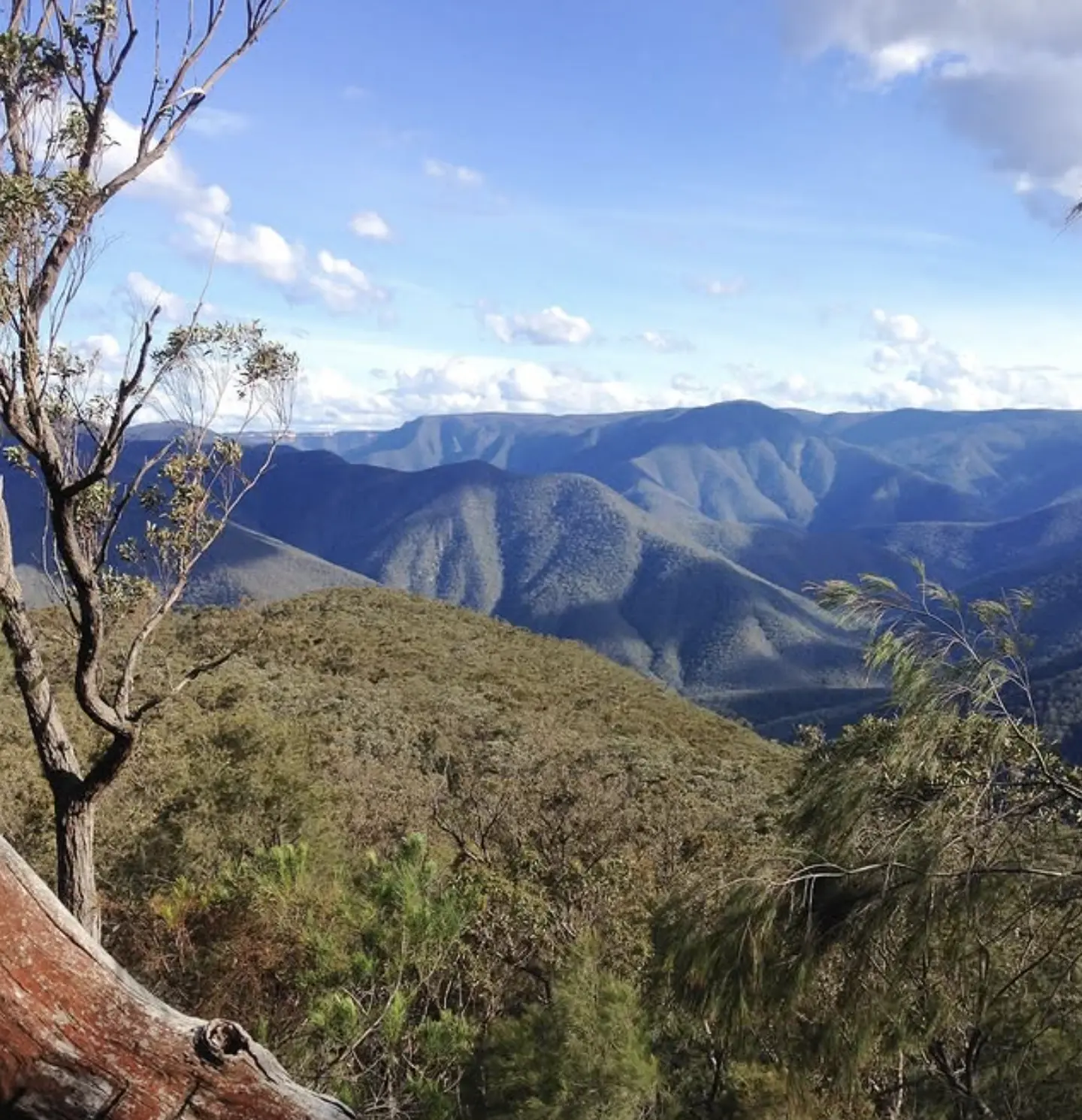
The Southern Blue Mountains, part of the Blue Mountains National Park, is a treasure trove of natural wonders, diverse landscapes and unique Australian wildlife. Famous for its blue haze that blankets the eucalypt forests, this area has stunning views, rugged escarpments and peaceful rivers. It’s an adventurer’s playground. From its sandstone cliffs to sclerophyll forests, the Southern Blue Mountains are the best of Australia’s landscape.
Geography and Features
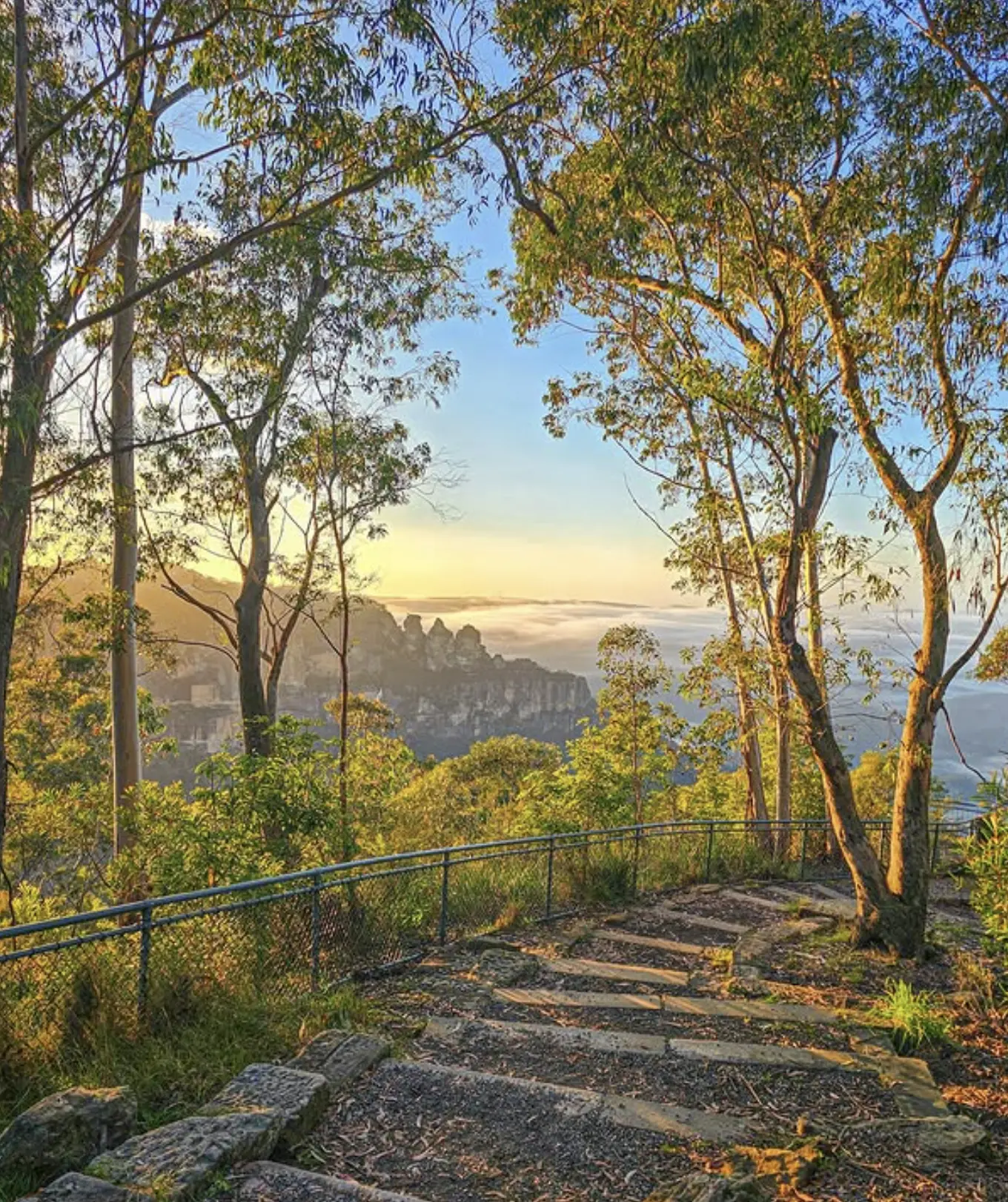
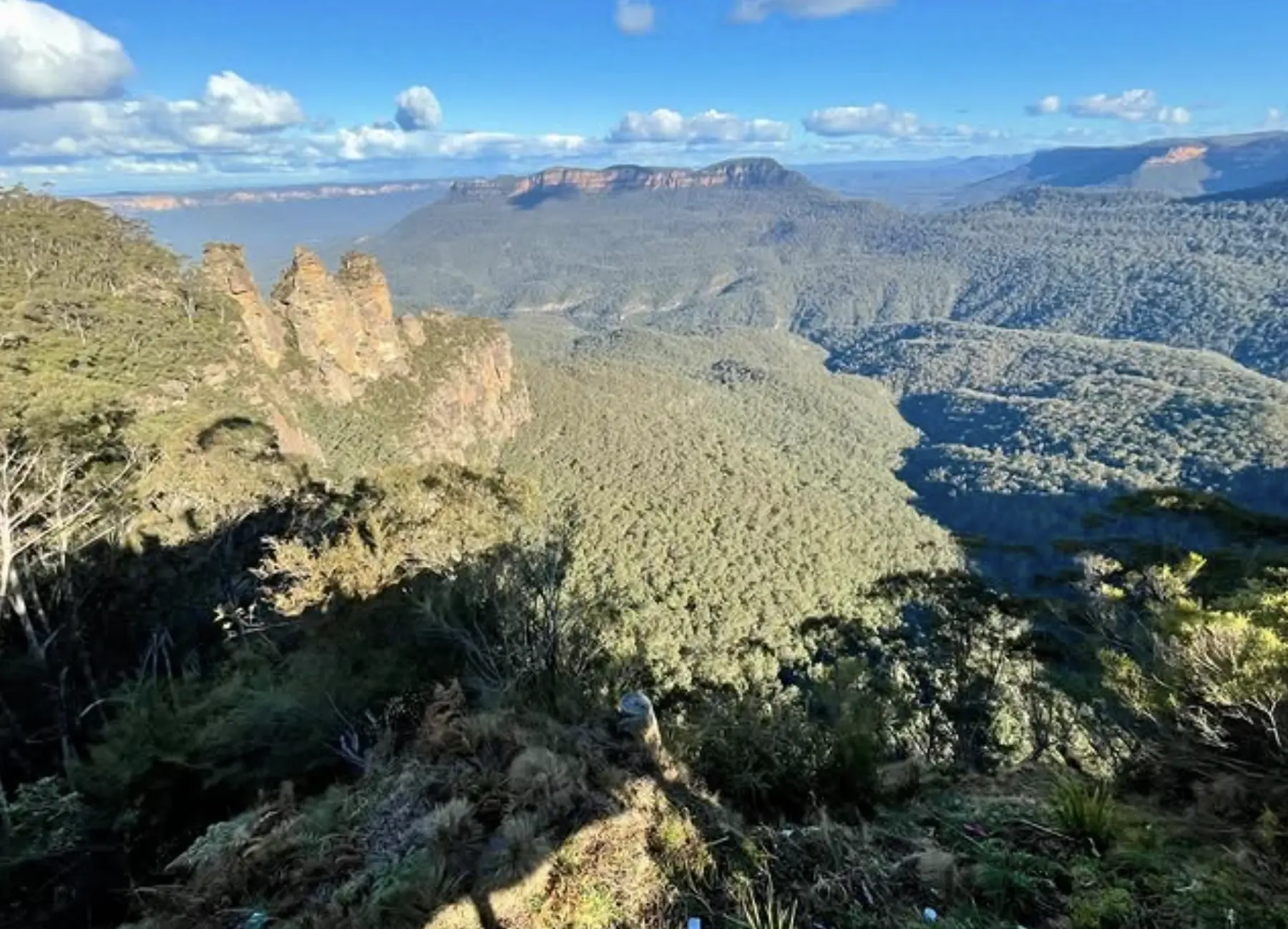
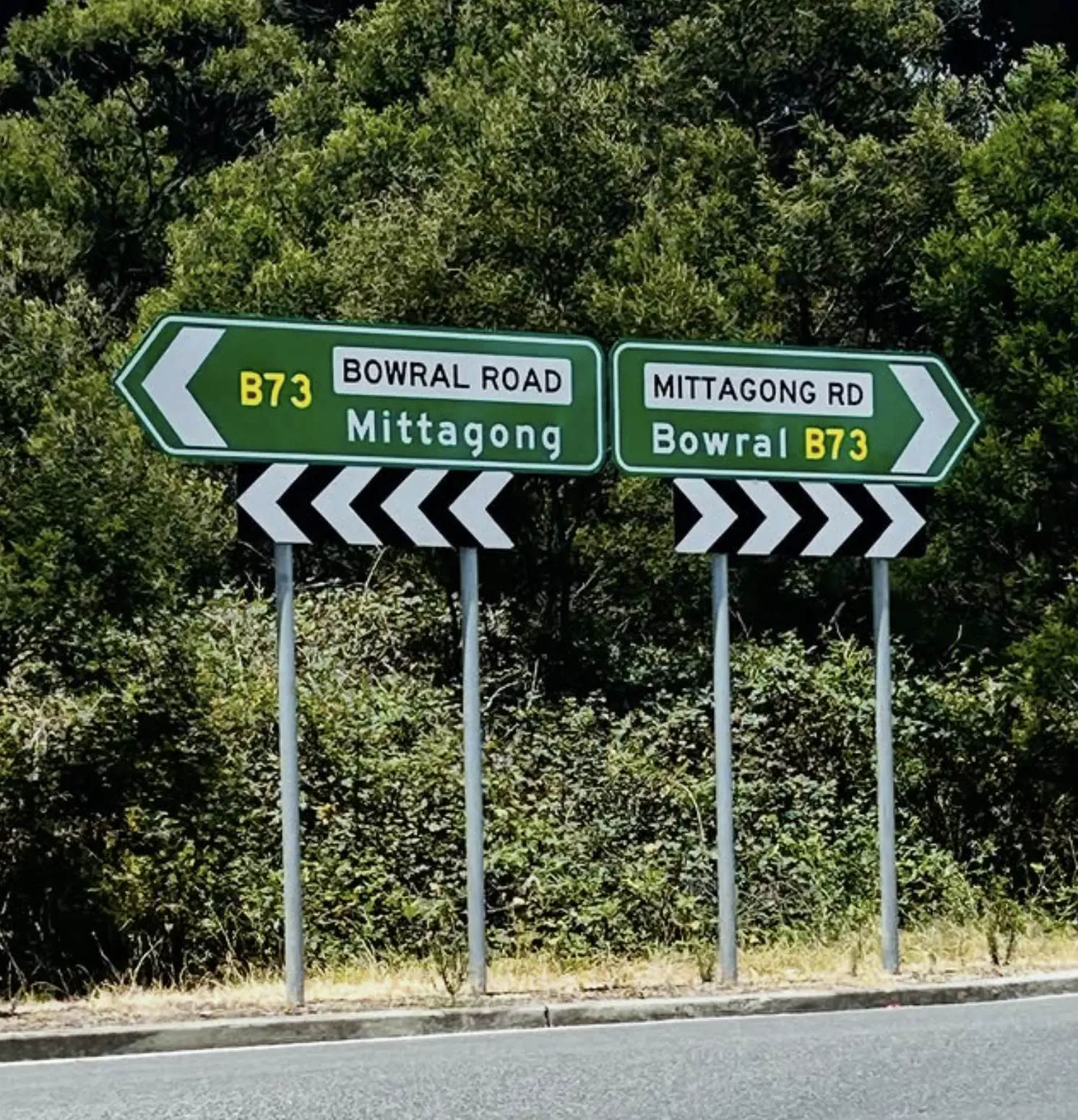
The Southern Blue Mountains are part of the greater Blue Mountains National Park, south of Katoomba, and incorporate the towns of Mittagong, Bowral, and Moss Vale. The landscape has a plethora of rock formations, deep gorges and eucalypt forests, a visual feast for everyone. The region is famous for its landscape, the famous Three Sisters rock formation near Echo Point, which towers over the Jamison Valley and the Kanangra Walls in Kanangra-Boyd National Park.
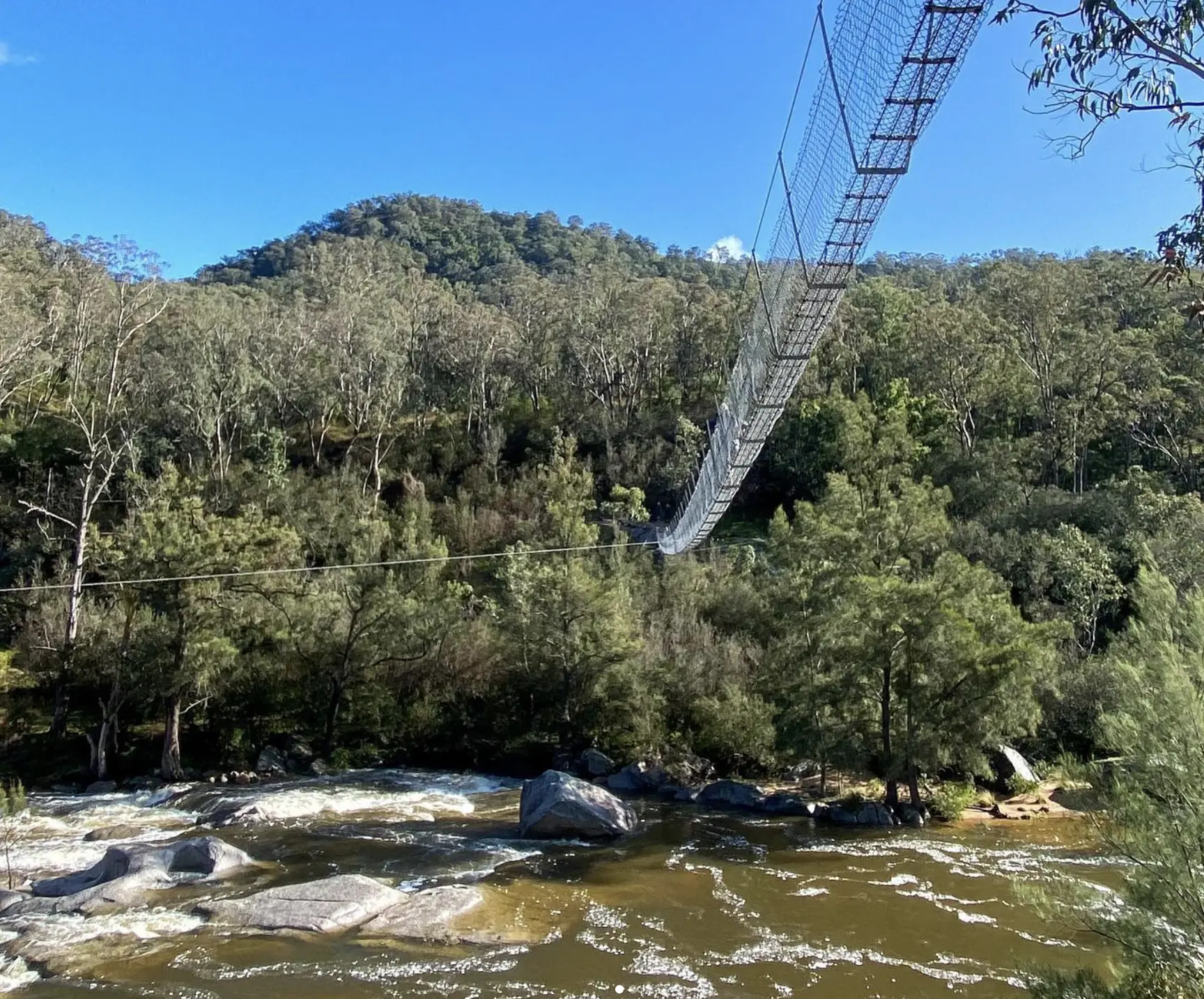
Among the many highlights of this area are the Kowmung Rivers, Coxs River and Grose River, which wind their way through the valley, creating river gorges and adding to the beauty of this diverse region. The cliffs of the Grose Valley and the sandstone cliffs around Mount Hay are breathtaking, while the sandstone plateau of Mount Werong is a stunning contrast to the blue haze of the surrounding valleys.
Nature and Wildlife
The Southern Blue Mountains region has an amazing array of flora and fauna. The temperate rainforest, heathlands and woodlands provide habitat for many species, including iconic Australian animals such as wallabies, wombats and lyrebirds. You may see black wallabies, swamp wallabies and the nocturnal sugar glider while hiking through the eucalypt forests or along the lookouts like Evans Lookout and Burramoko Ridge. If you have a good eye, you may also spot the endangered southern hairy-nosed wombat along the loop trails that wind through the valley. The Southern Blue Mountains also have a wide range of habitats, from coastal forests to sclerophyll forests, which attract many bird species, wedge-tailed eagles and bellied gliders. Birdwatchers will love the variety of species, the endangered superb lyrebird and the regular sightings of these birds flying above the cliffs.
Things to Do
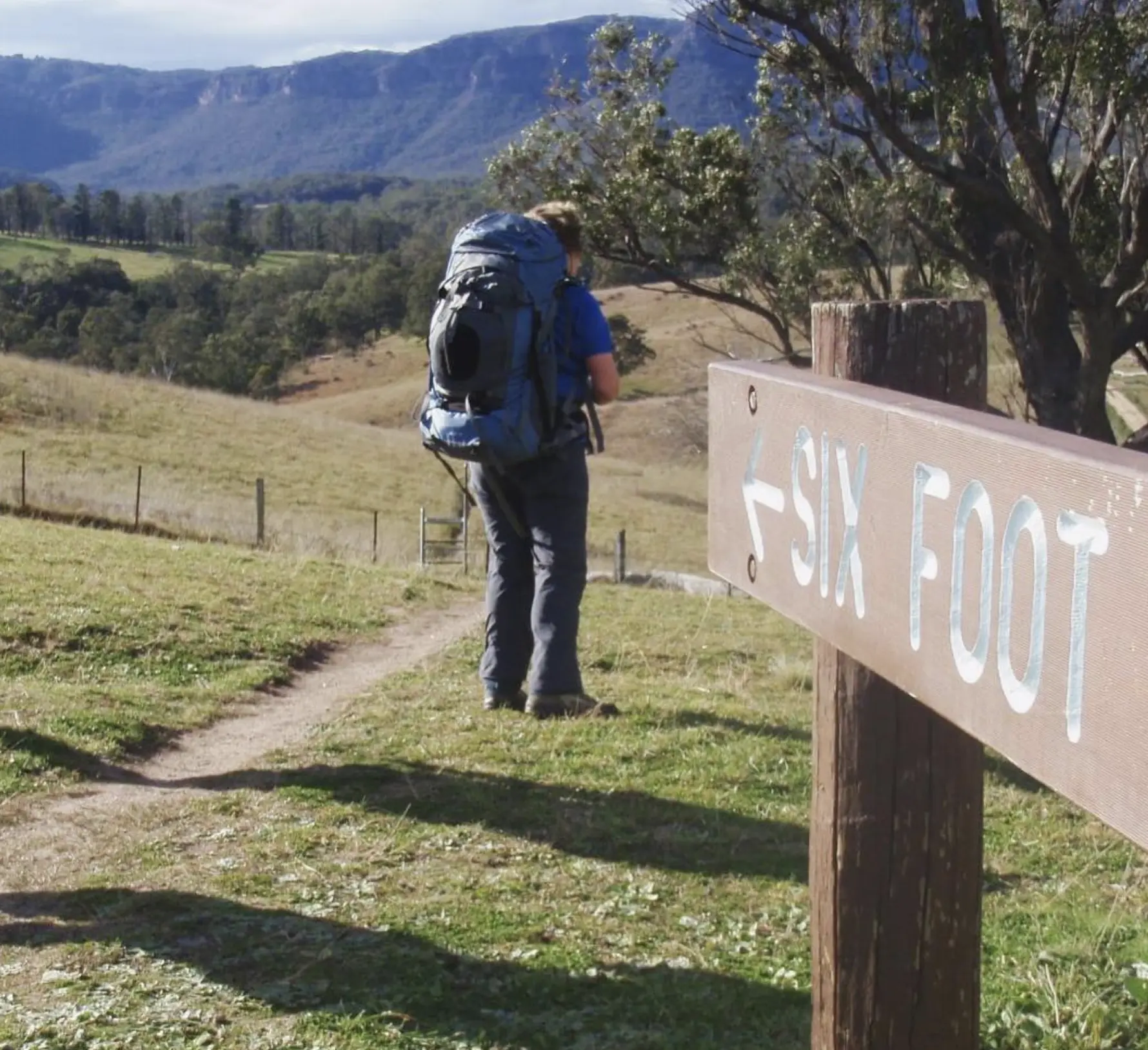
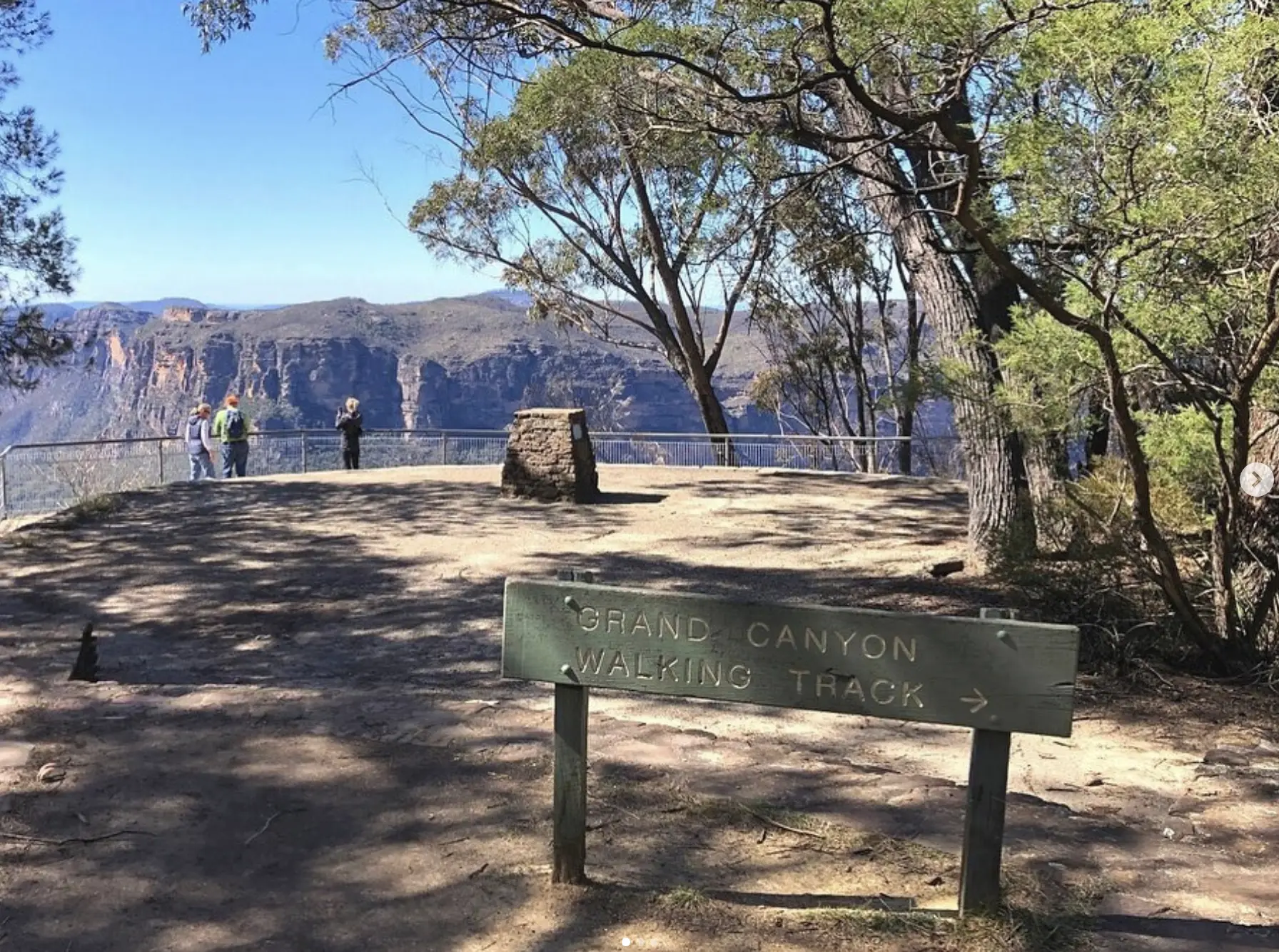
Hiking and Bushwalking The Southern Blue Mountains has some of the best hiking trails in Australia. Whether you are a beginner or an experienced hiker, there are trails to suit all levels of fitness and adventure. Popular hikes include the Grand Canyon Walk near Blackheath, which winds through the bush and the Six Foot Track one of Australia’s most famous long distance walks that takes you through rainforest and rugged landscape. For a more adventurous hike the Giant Stairway near Echo Point is a thrill to descend down the sandstone cliffs and into the valley below. Other scenic walks include the Historic Loop Track which follows in the footsteps of the early explorers and has stunning views of the region.
Scenic Lookouts and Photography
Cultural and Historical
Attractions The Southern Blue Mountains is rich in cultural and Indigenous heritage. The region is home to the Gundungurra and Darug peoples and you can learn about the area’s history through guided Blue Mountains tours and cultural experiences. The towns in the region, such as Bowral, have charming heritage buildings, galleries and boutique shops. Visit the Bradman Museum in Bowral dedicated to cricket legend Sir Donald Bradman or the Blue Mountains Botanic Garden Mount Tomah for a peaceful stroll through the stunning plant collections.
Adventure Sports and Activities
Wine and Gourmet Delights
Tips Best Time to Visit
The Southern Blue Mountains is different in every season. Spring (September to November) has wildflowers blooming and milder weather, perfect for hiking and outdoor activities. Summer (December to February) can be hot but the cool mountain air is a relief from the heat. Autumn (March to May) is a photographer’s paradise as the leaves turn to red, orange and yellow. Winter (June to August) is great for those who love a crisp day for hiking or for exploring the cozy cafes and heritage villages scattered throughout the region.
Where to Stay
Getting Here
The Southern Blue Mountains are only 90 minutes west of Sydney. If you’re coming from further afield there are also train services from Sydney’s Central Station to key towns in the Blue Mountains. Once you’re here, a car is recommended to get around and explore all the hidden gems of this beautiful region. Tours of the Blue Mountains are a must do, take in the region’s famous sights including the Three Sisters, Echo Point and the Kanangra Walls with expert local guides who will share their knowledge of the region’s history and environment.
Conclusion
The Southern Blue Mountains are adventure, relaxation and natural beauty. Whether you’re hiking through rainforests, tasting local wines, or just taking in the views, there’s something for everyone in this amazing region. Its diverse landscapes, wildlife and friendly vibe make it a must-see for any Australian traveller.
FAQ
When is the best time to visit the Southern Blue Mountains?
Spring and autumn are best for hiking and outdoor activities, but every season has something special.
Are there guided tours in the Southern Blue Mountains?
Yes, there are many guided tours available, bushwalking and cultural tours, and wine and gourmet experiences.
What are the best hiking trails in the Southern Blue Mountains?
The Grand Canyon Walk and the Six Foot Track are two of the most popular and scenic trails.
Can I see wildlife in the Southern Blue Mountains?
Yes, you can see wildlife in the Southern Blue Mountains. The area is home to kangaroos, wallabies, wombats, lyrebirds, and various reptiles and bird species, especially in the remote bushland and national parks.